Three Types of Transformers
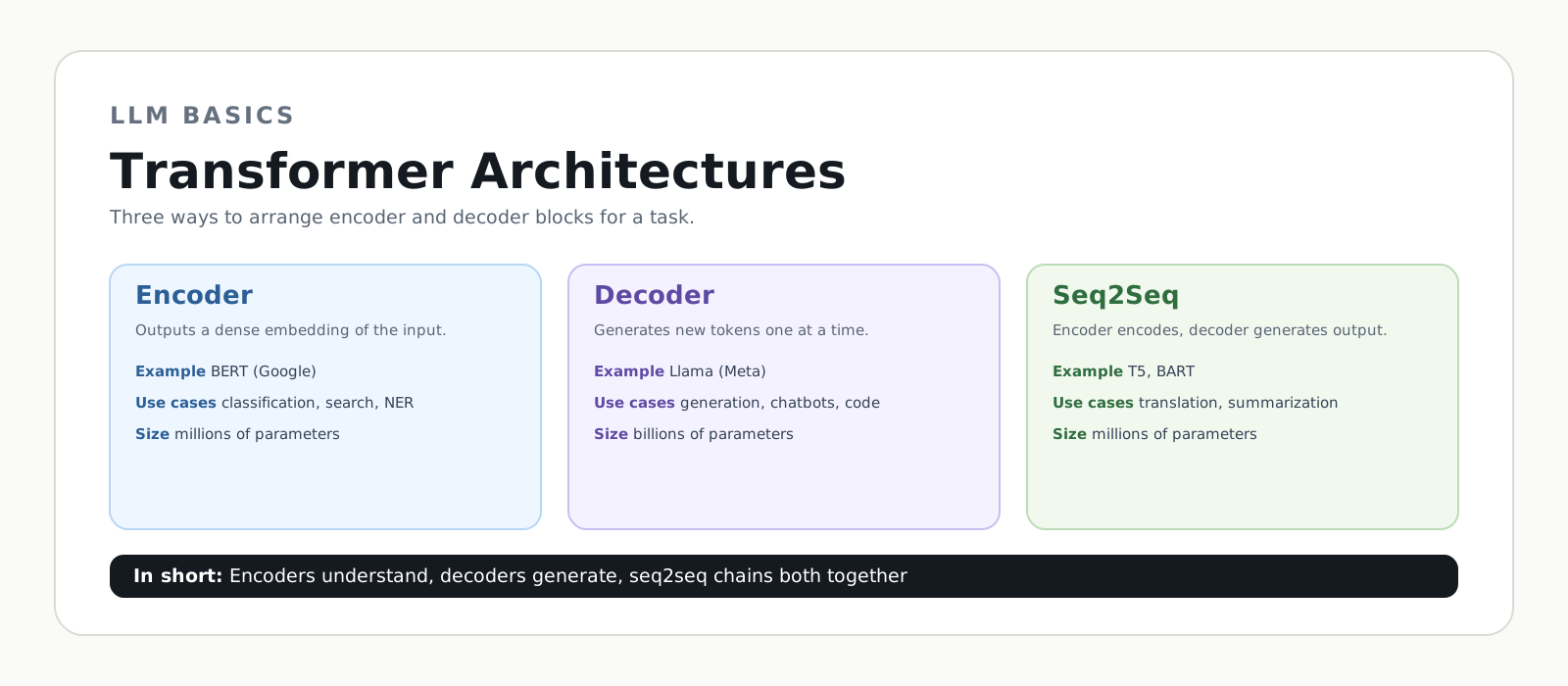
Encoder, decoder, and seq2seq transformers compared by what they output, an example model, typical use cases, and typical size.
Posts
A chronological archive of projects, sketches, and technical notes.
Encoder, decoder, and seq2seq transformers compared by what they output, an example model, typical use cases, and typical size.
Notes on the three transformer architectures, chat templates and special tokens, tool calling and MCP, and the agent Thought/Action/Observation loop.
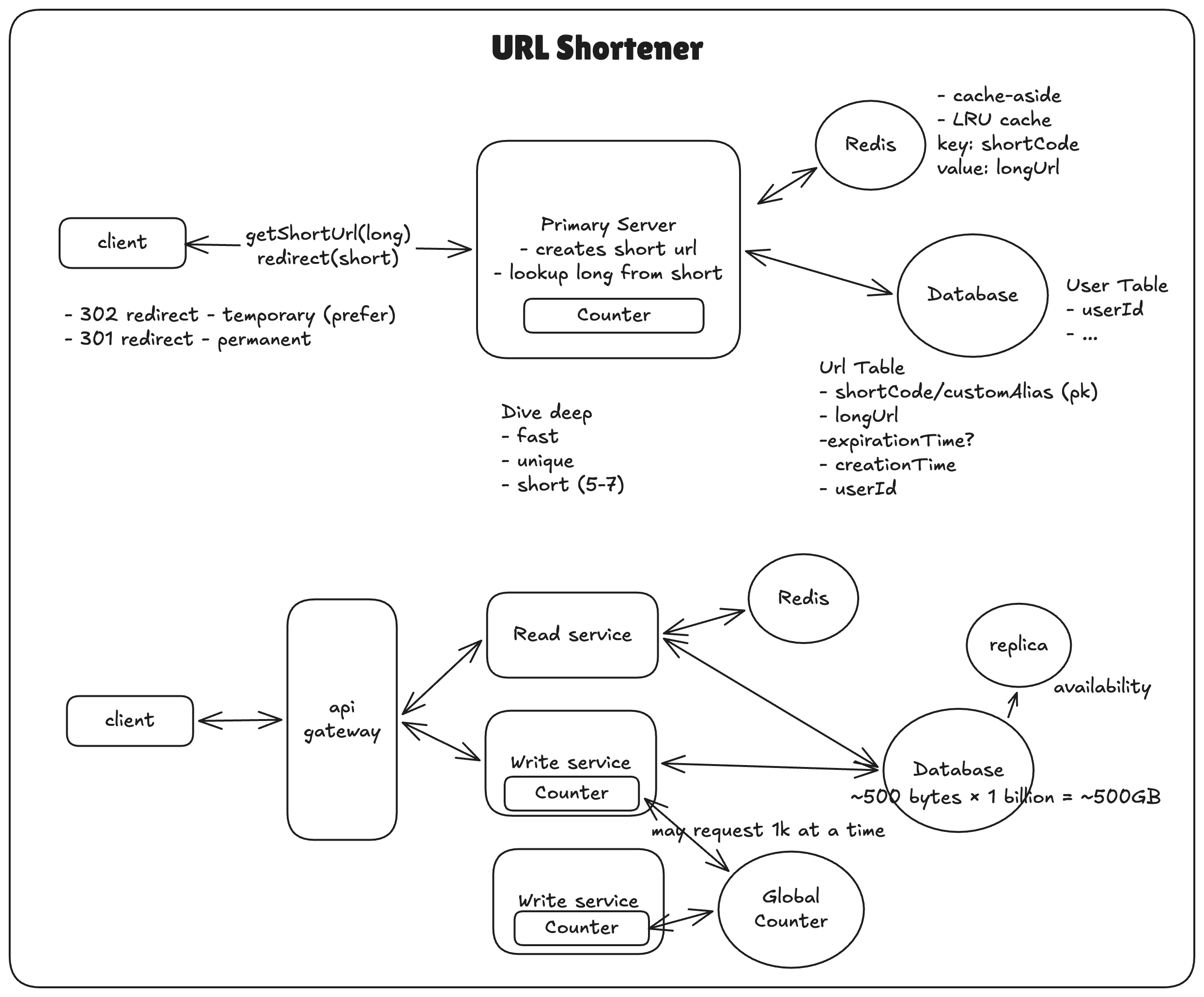
Requirements, short code generation strategies, caching, and scaling reads and writes with separate read/write services.
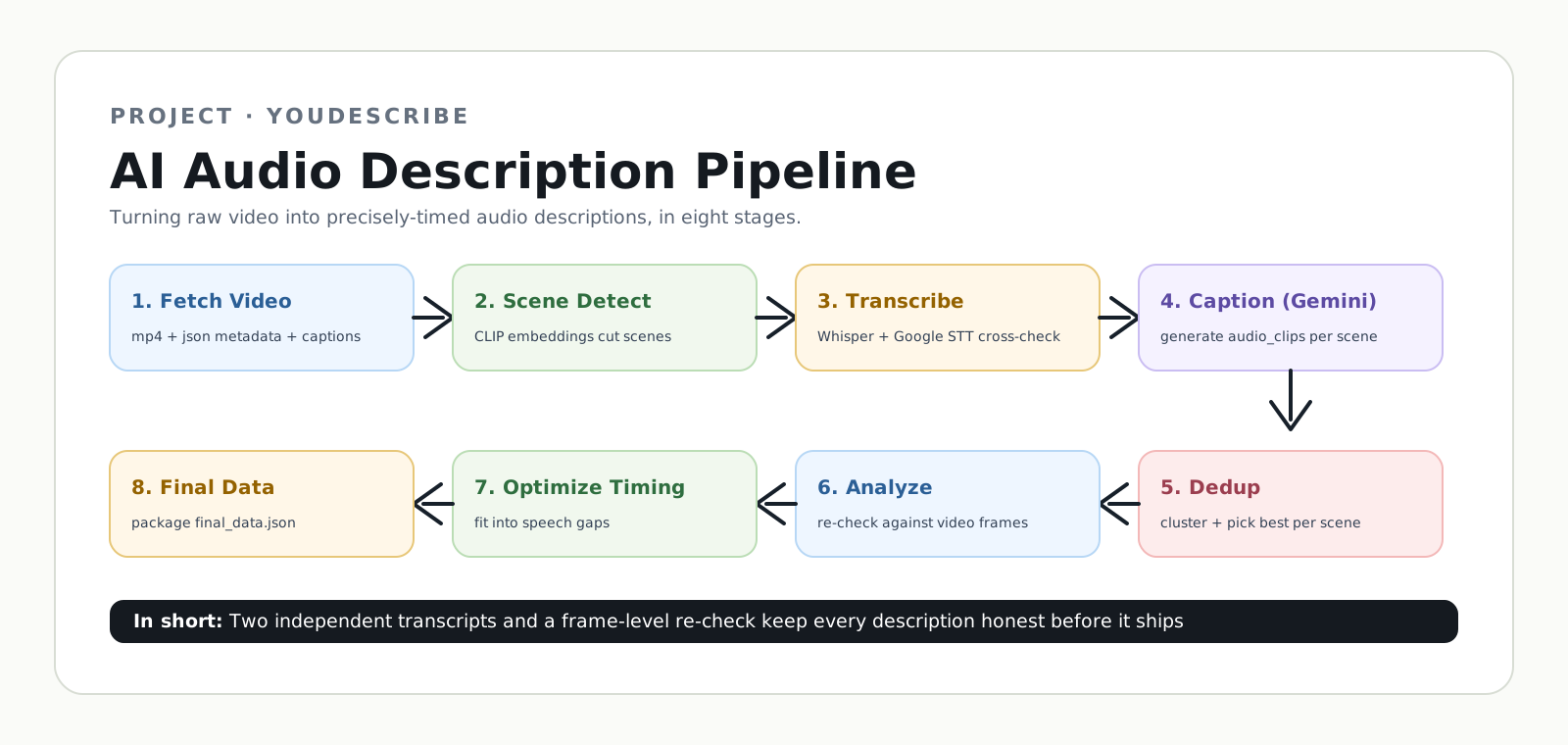
A pipeline that turns raw video into scene-segmented, cross-checked, precisely-timed audio descriptions.
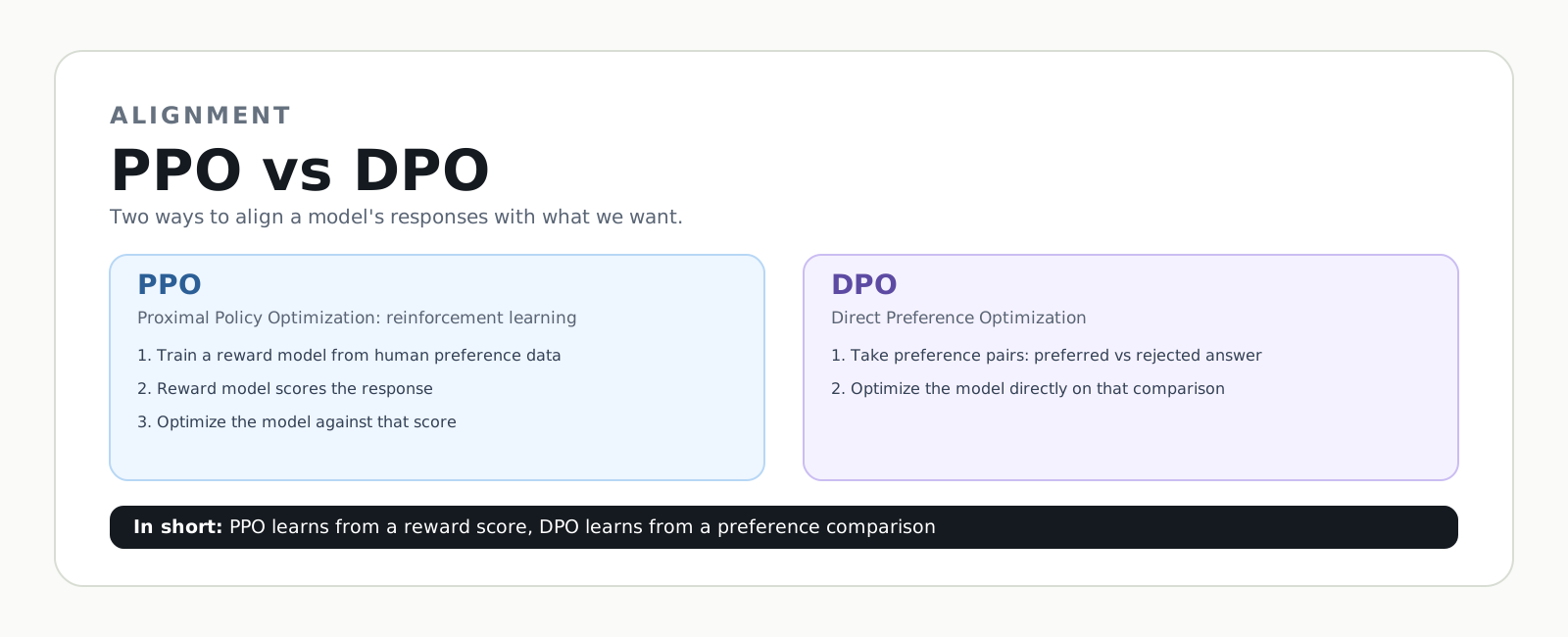
A short note on PPO and DPO, two ways to align a model's responses with human preferences.
A practical note on cost-latency-quality tradeoffs in agent and RAG systems, how to evaluate RAG by separating retrieval quality from answer quality, and how to structure a project narrative.
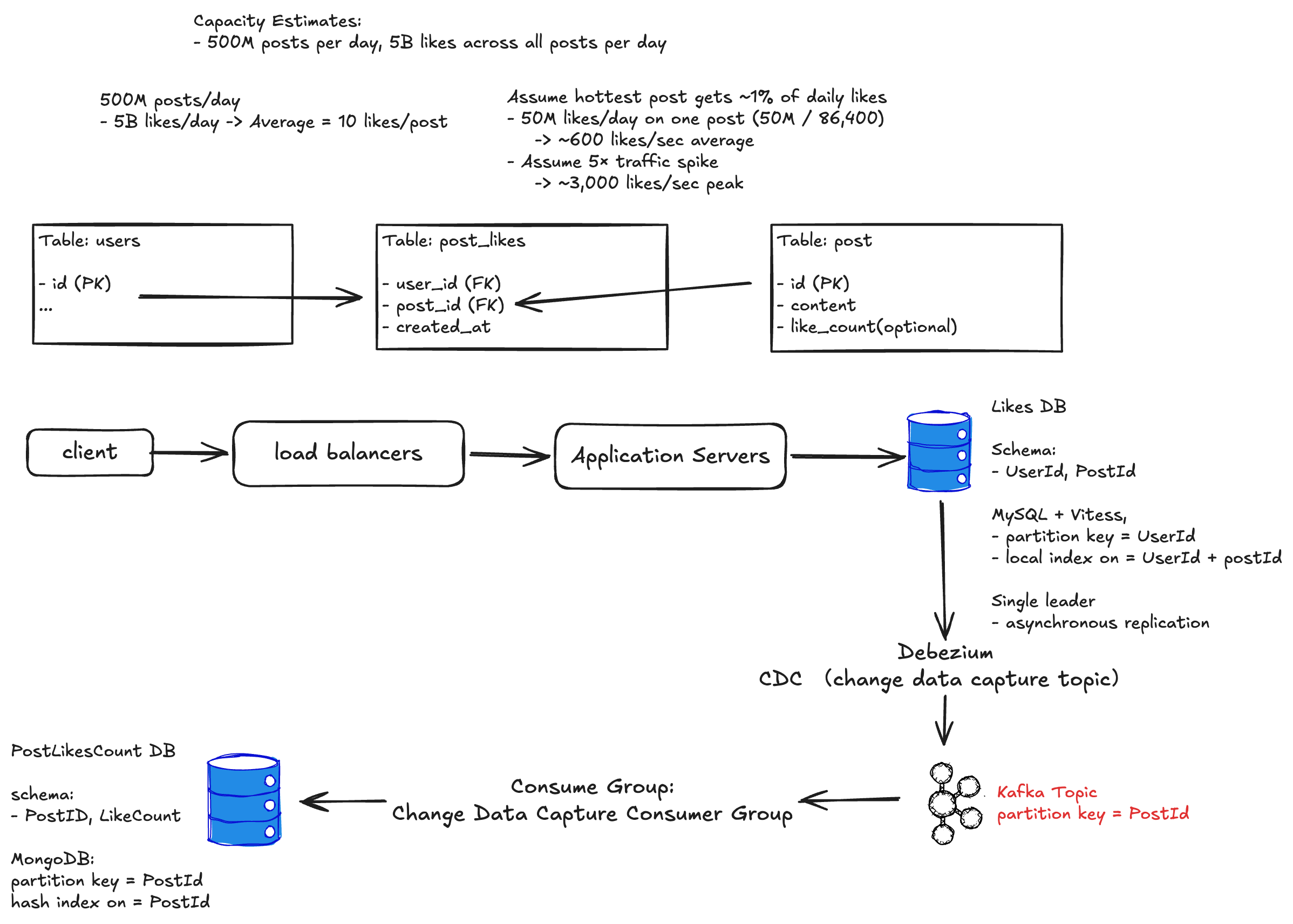
A practical system design note for a post like feature, from database modeling to large-scale asynchronous like-count aggregation.
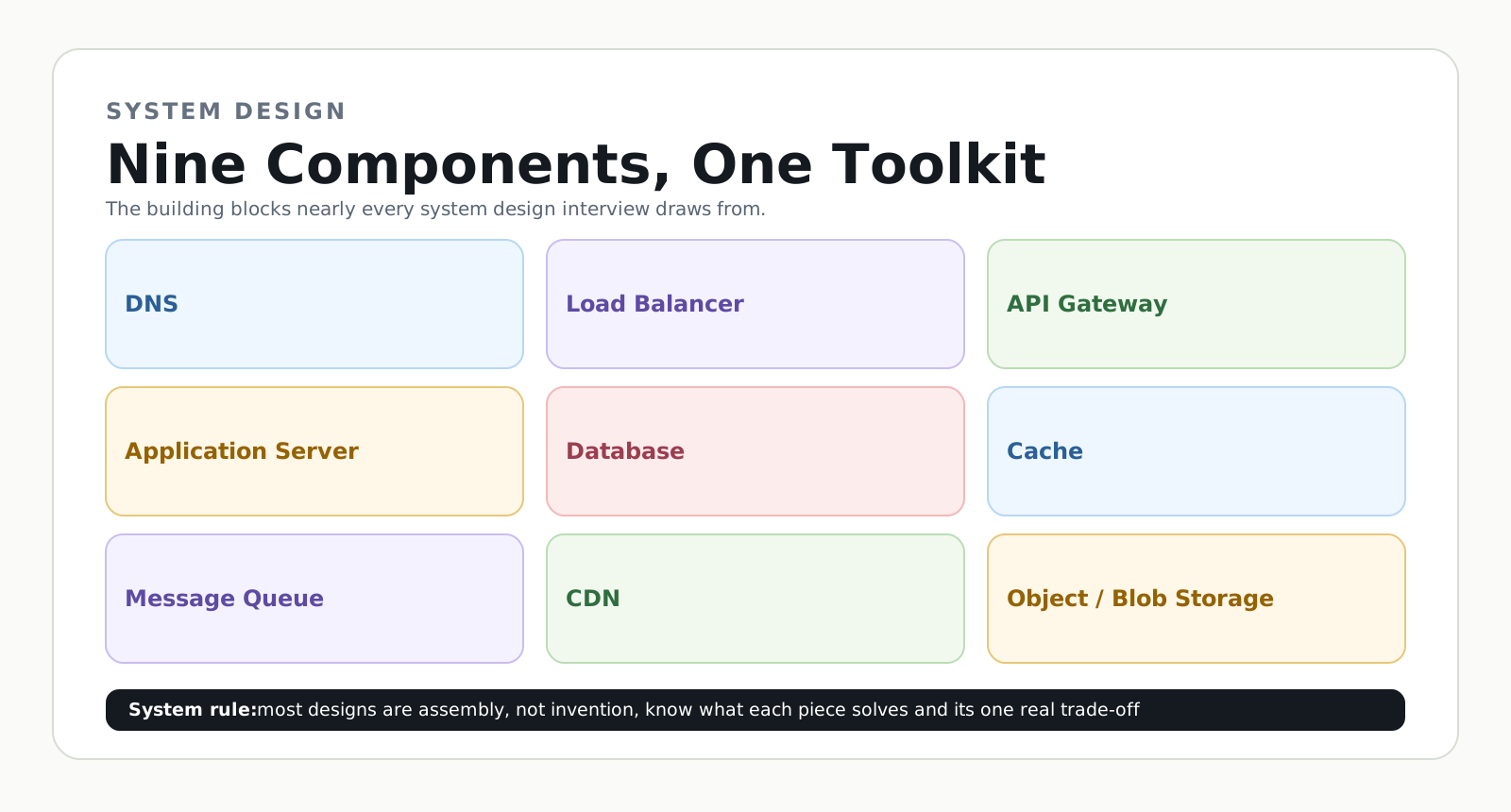
Nine components that show up in nearly every system design interview, what each one actually solves, and the one trade-off worth knowing for each.
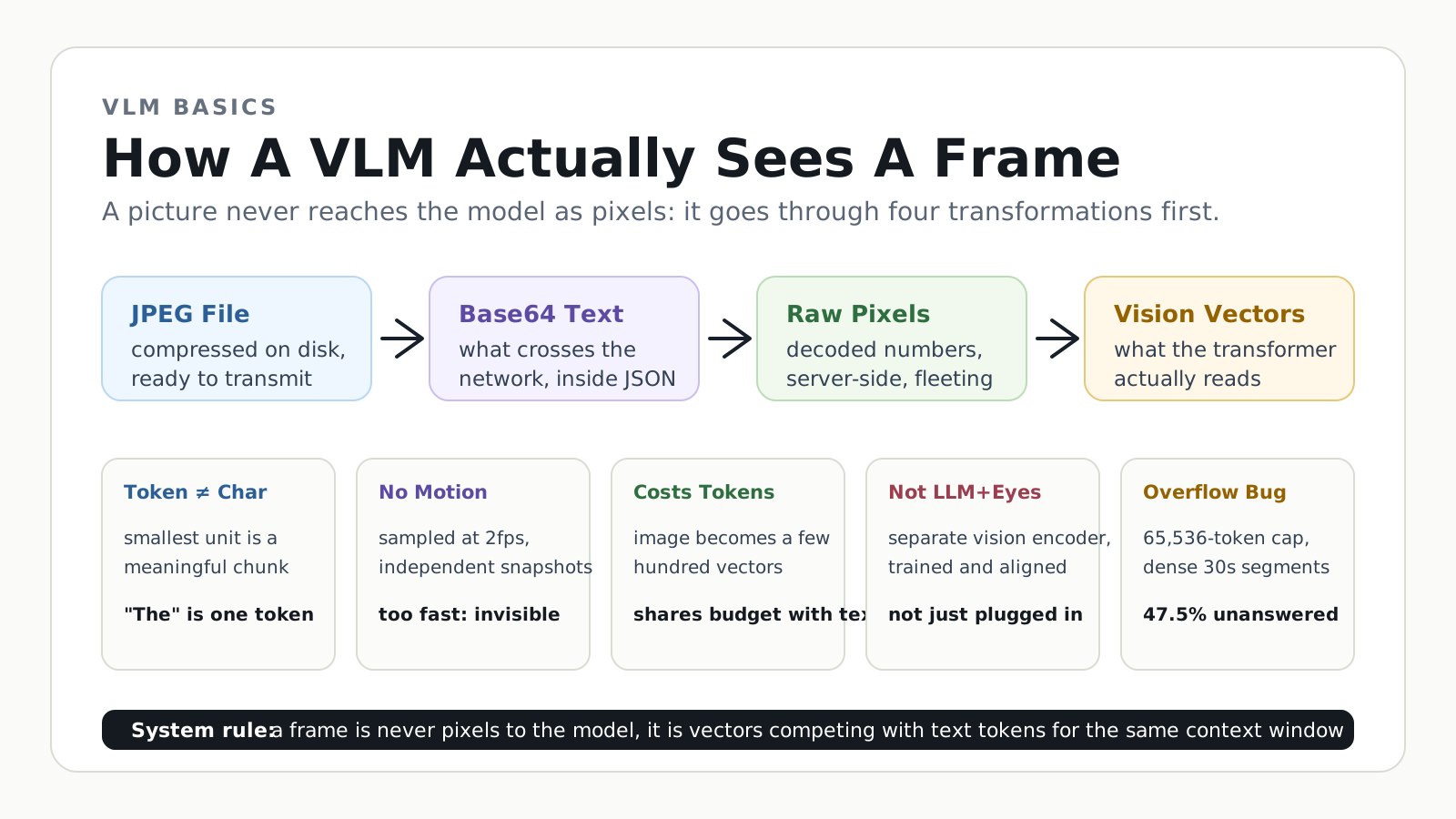
A frame never reaches a vision-language model as pixels. Seven facts about images, JPEG, base64, vision encoders, and where VLMs still fall short, checked against a real evaluation pipeline.
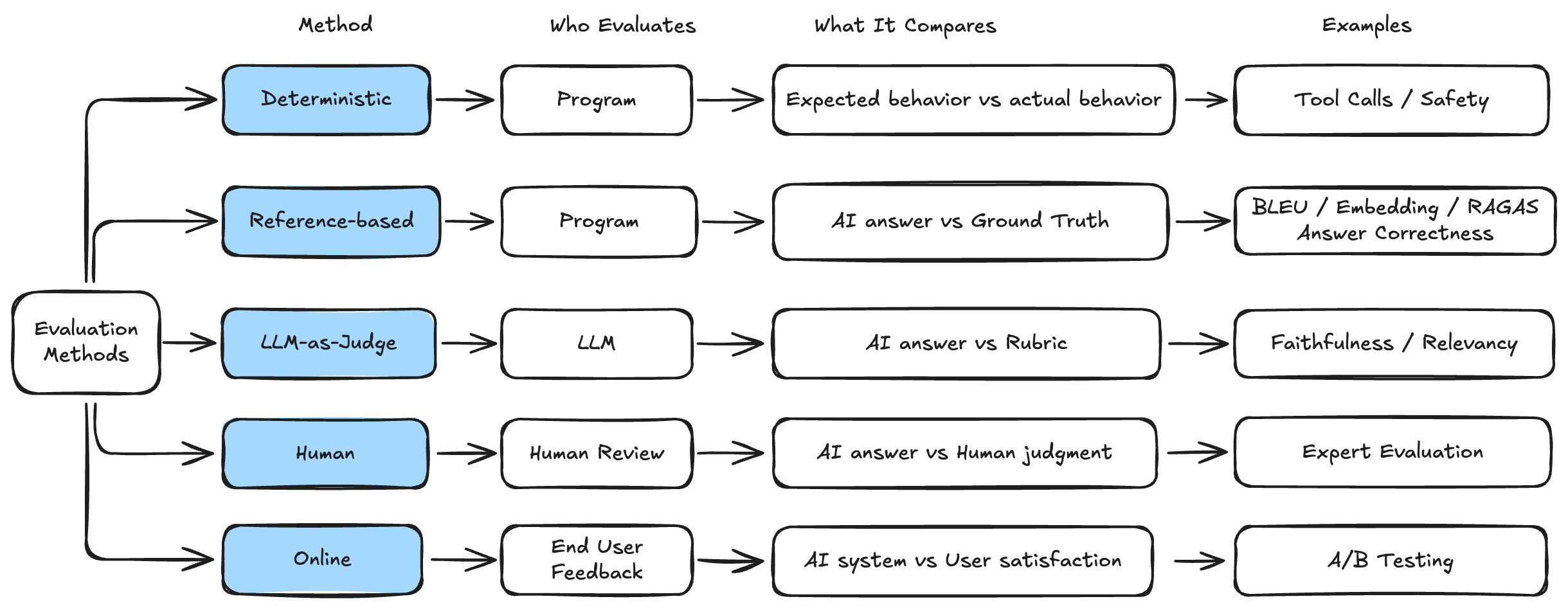
Deterministic checks, reference-based metrics, LLM-as-judge, human review, and online feedback: what each one compares, and when to reach for which.
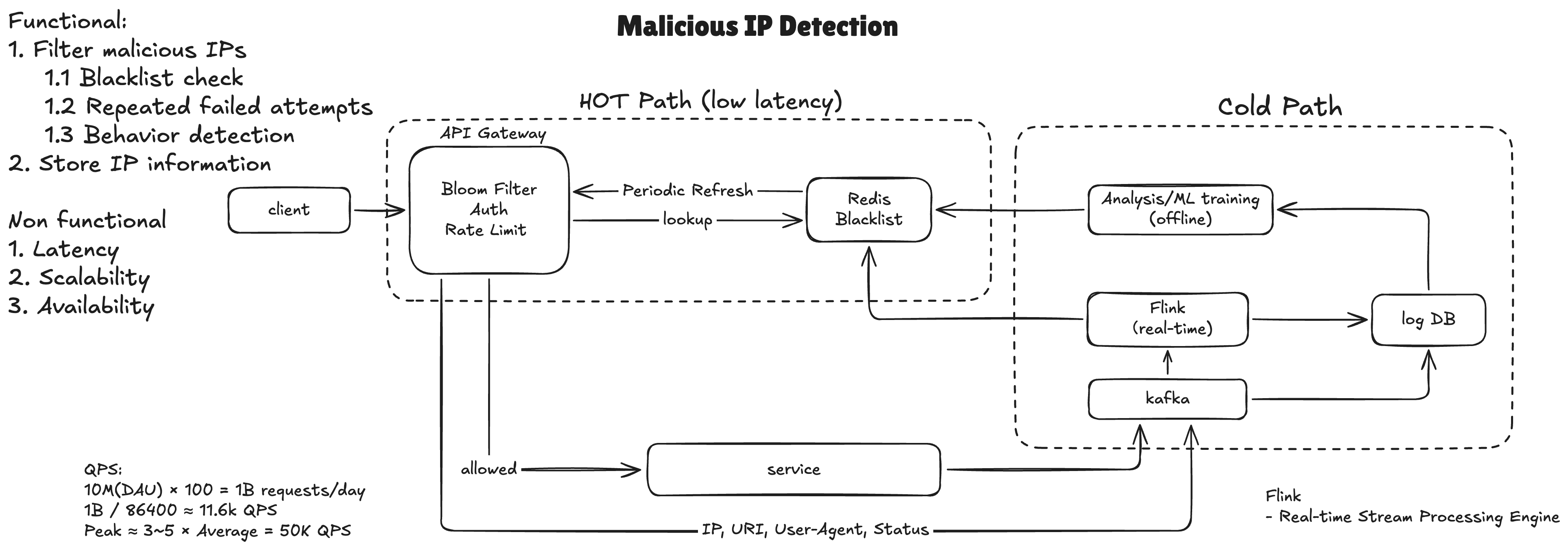
Requirements, QPS estimation, a hot/cold path split, and three deep dives: Bloom filter sizing, blacklist propagation, and layered detection.
Five lessons from building and testing a LangGraph RAG agent for a public health app - history pollution, citations that must travel around the model, and a safety gate that backfired.
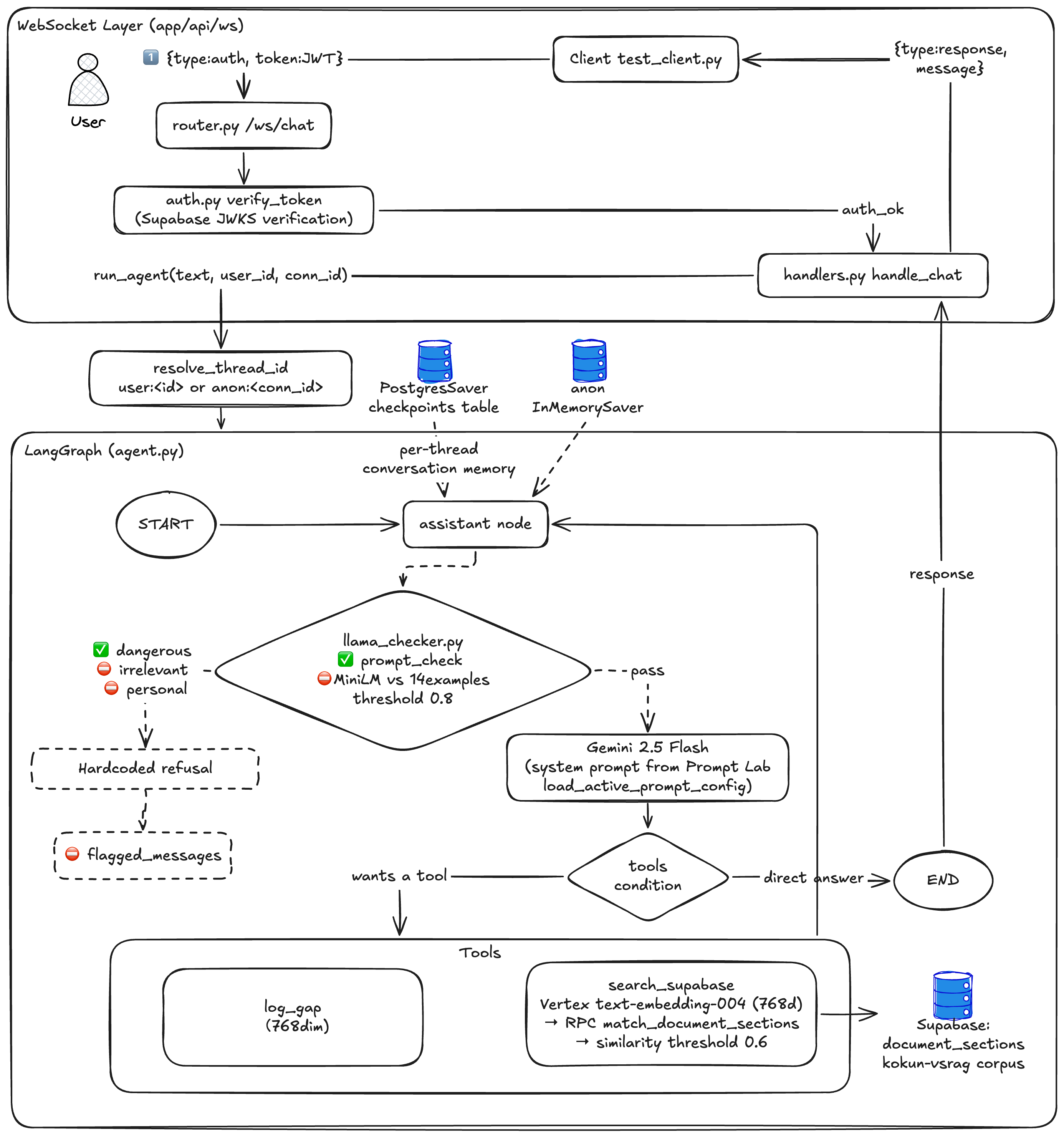
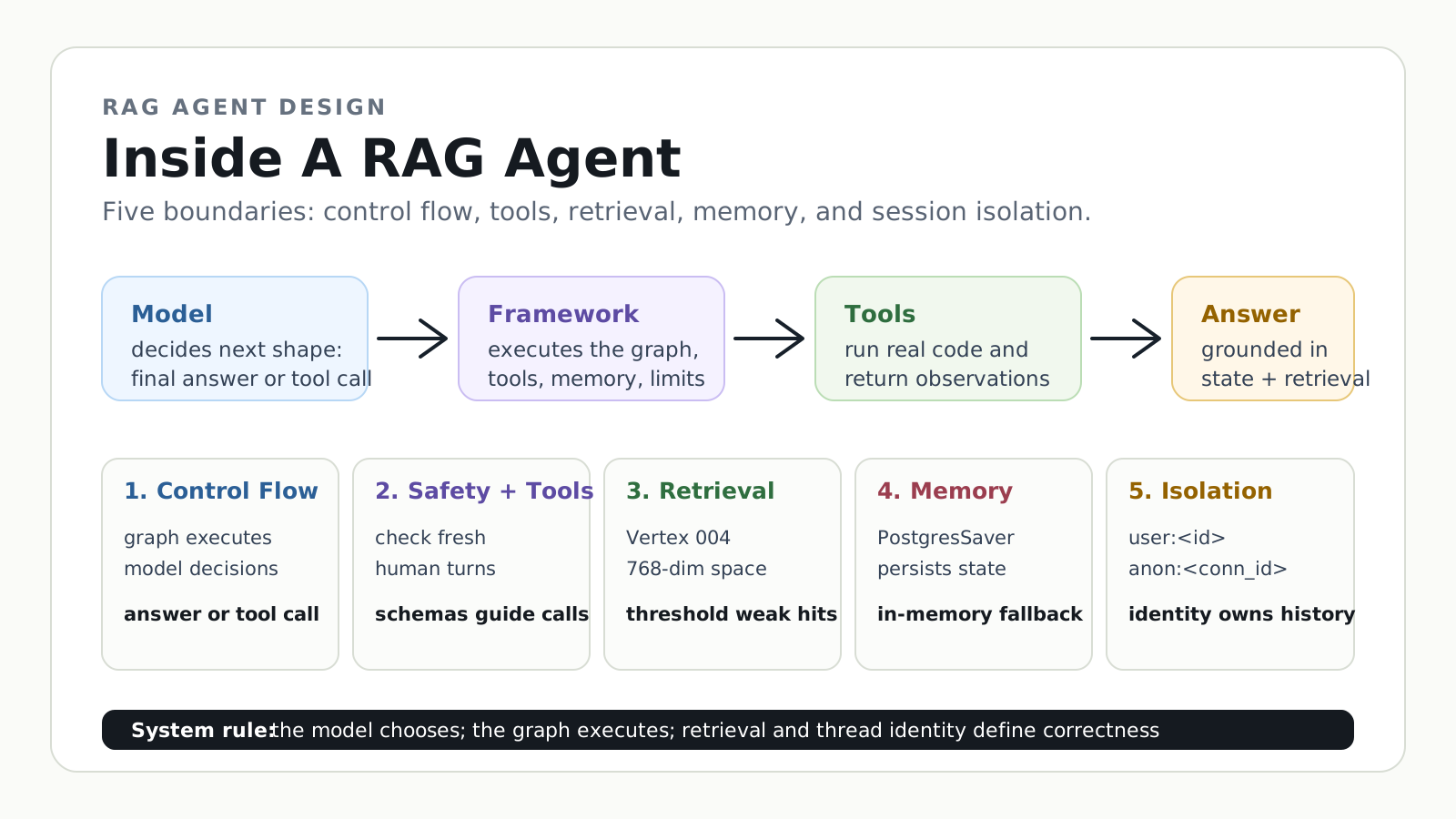
Five design boundaries inside a LangGraph RAG agent: control flow, safety and tools, retrieval compatibility, checkpointed memory, and session isolation.
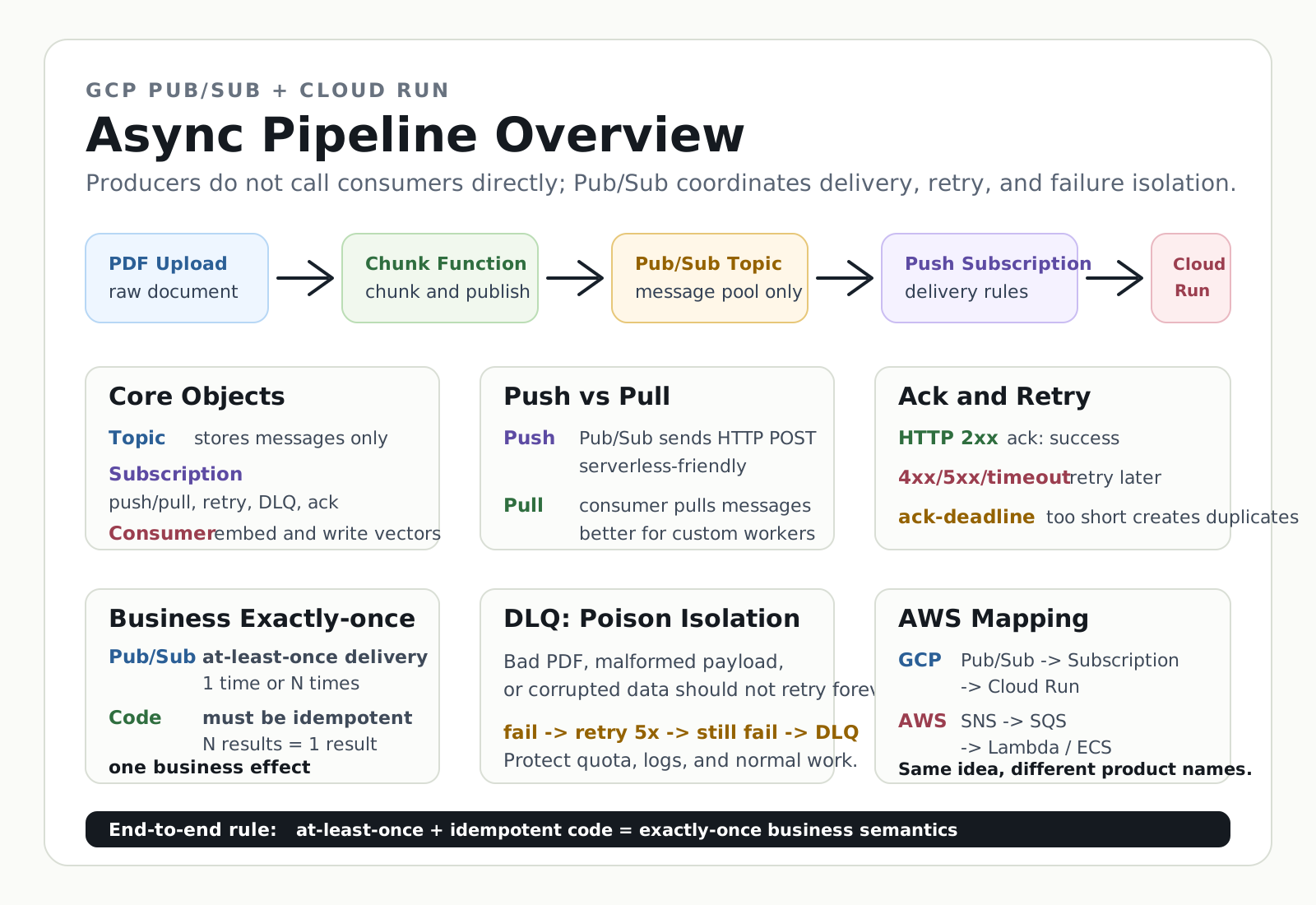
A practical note on GCP Pub/Sub, Cloud Run, ack/retry semantics, DLQ, idempotent consumers, and the AWS SNS/SQS/Lambda mapping.
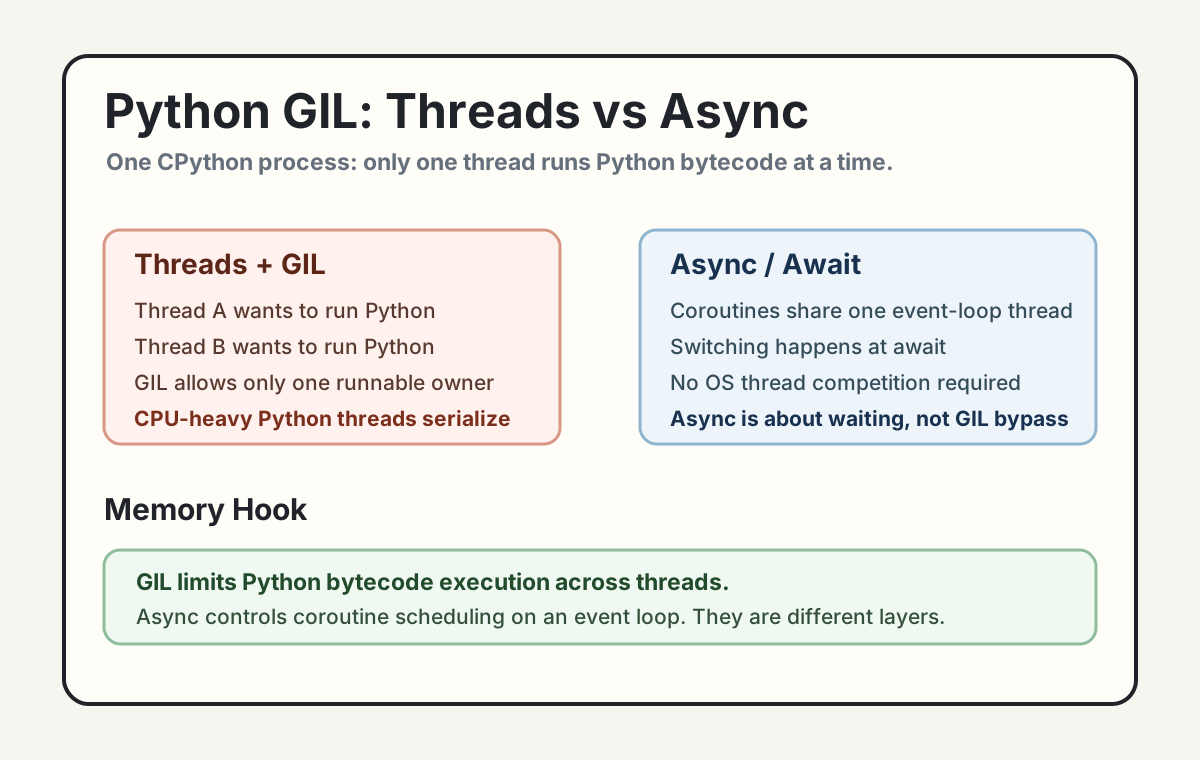
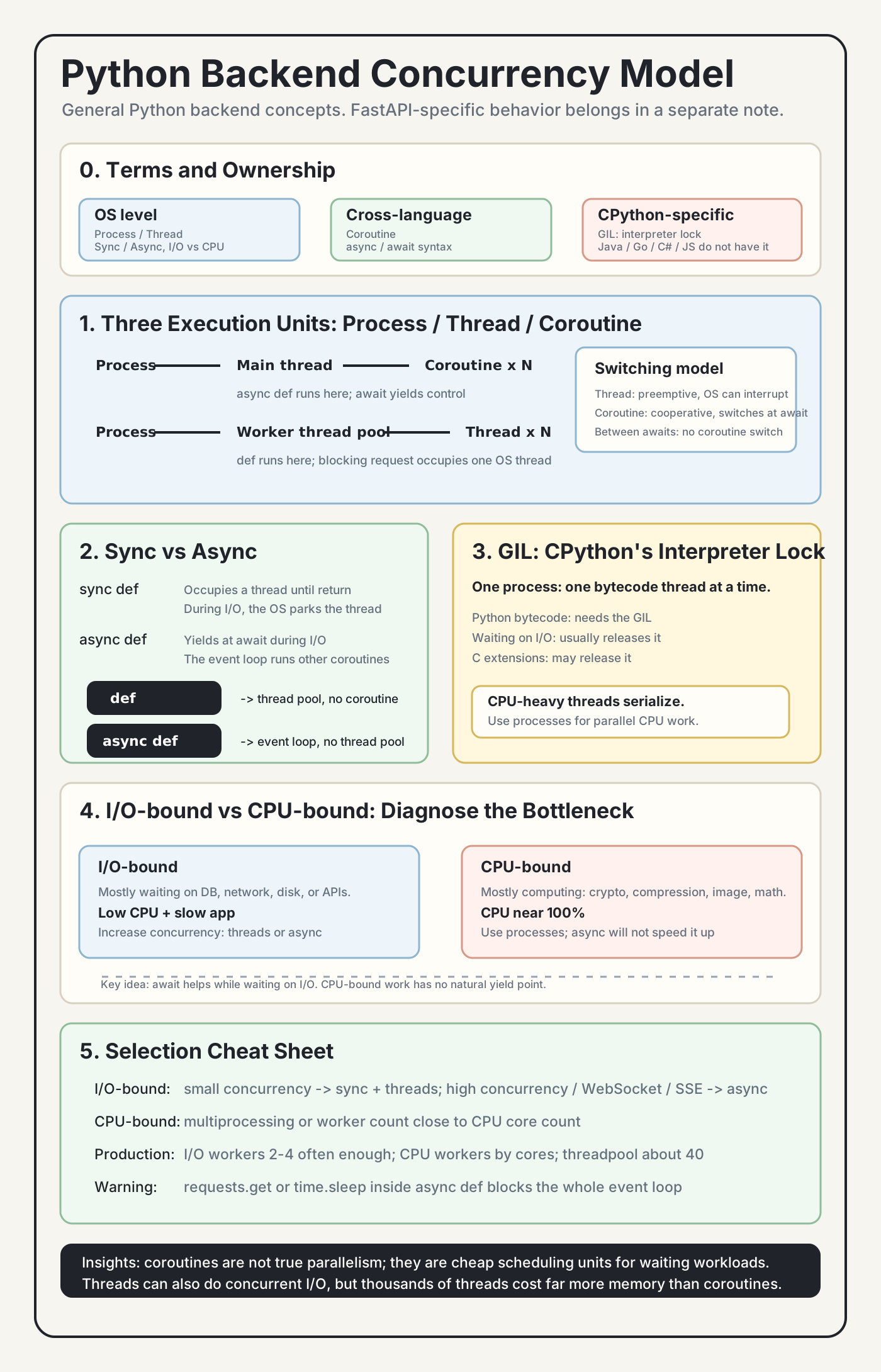
The GIL means one CPython process can run only one Python-bytecode thread at a time. This is a threading issue, not an async/await issue.
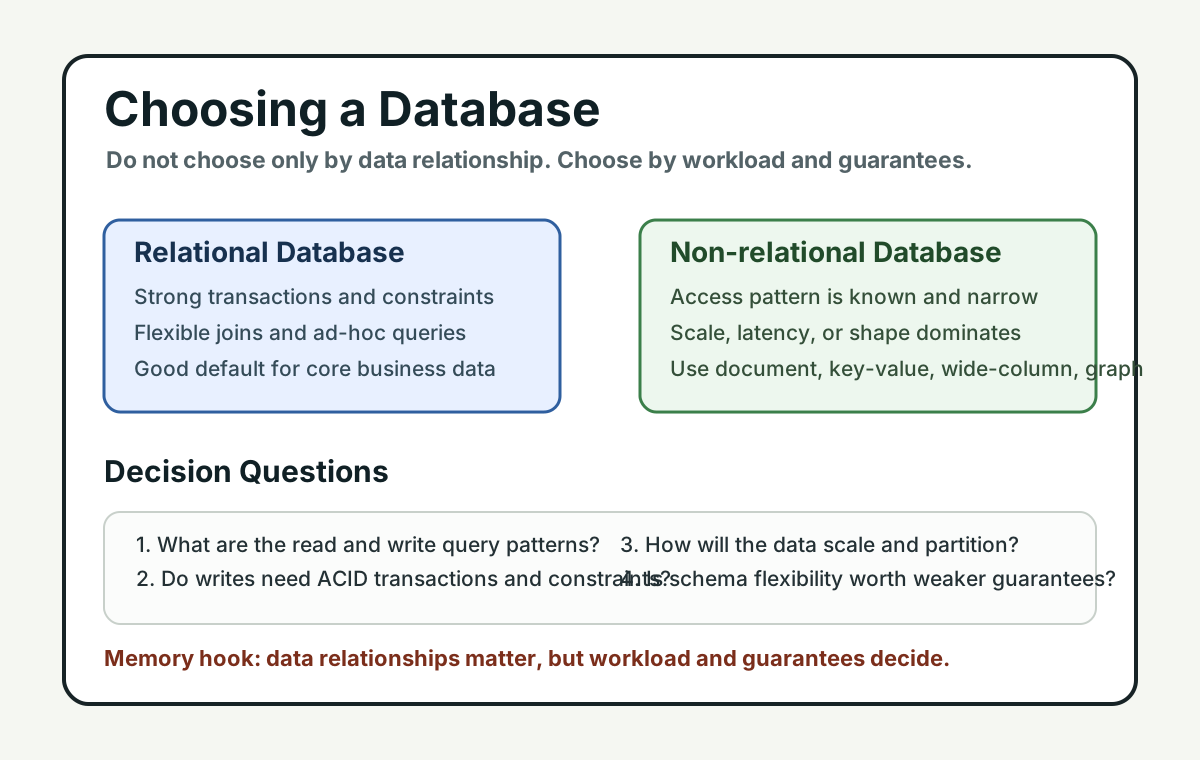
A practical note on choosing relational vs non-relational databases based on query patterns, transactions, consistency, scale, and access model rather than only data relationships.
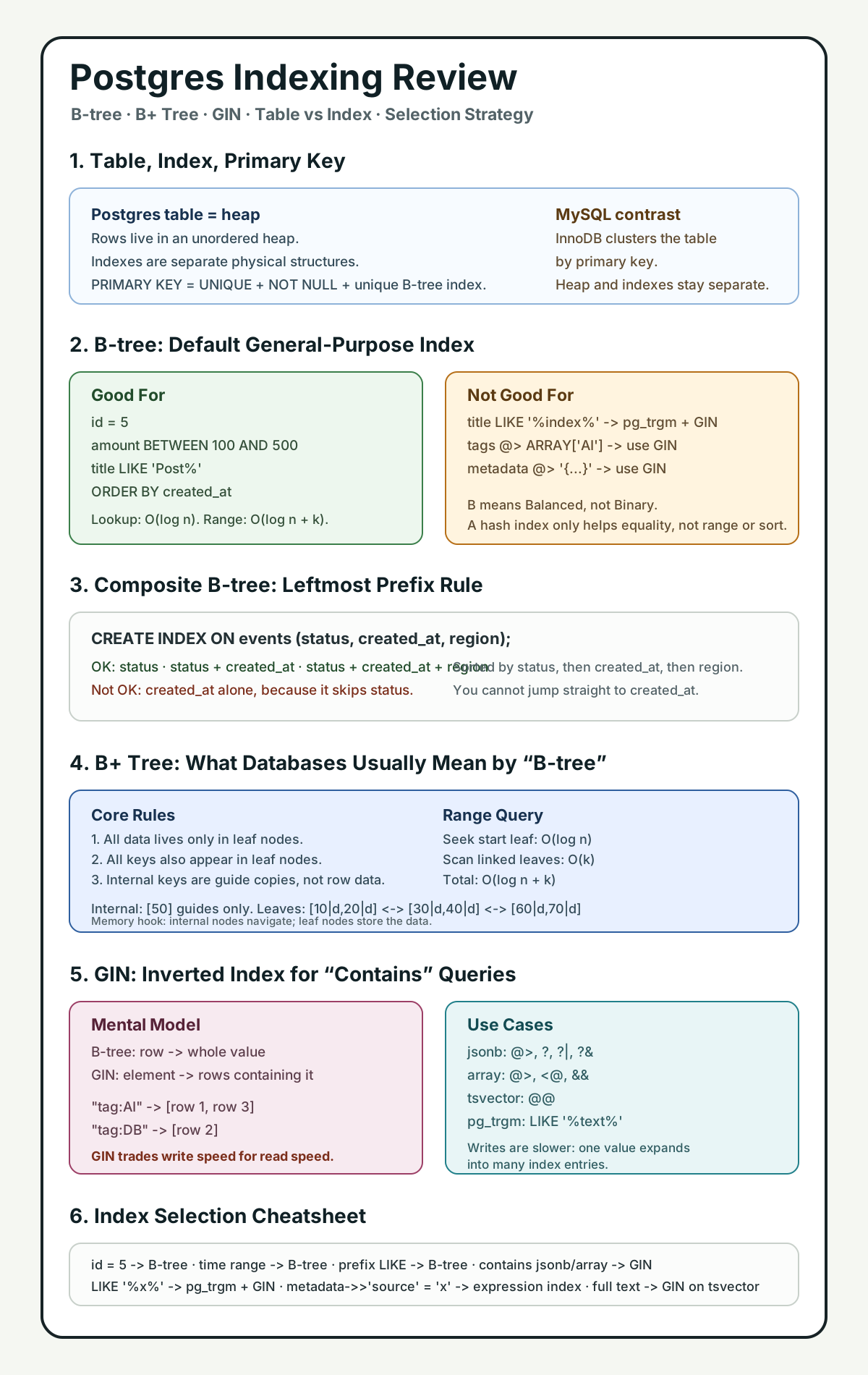
A compact poster and bilingual review note for Postgres indexing: table versus index, B-tree and B+ tree behavior, GIN indexes, jsonb operator traps, and index selection strategy.
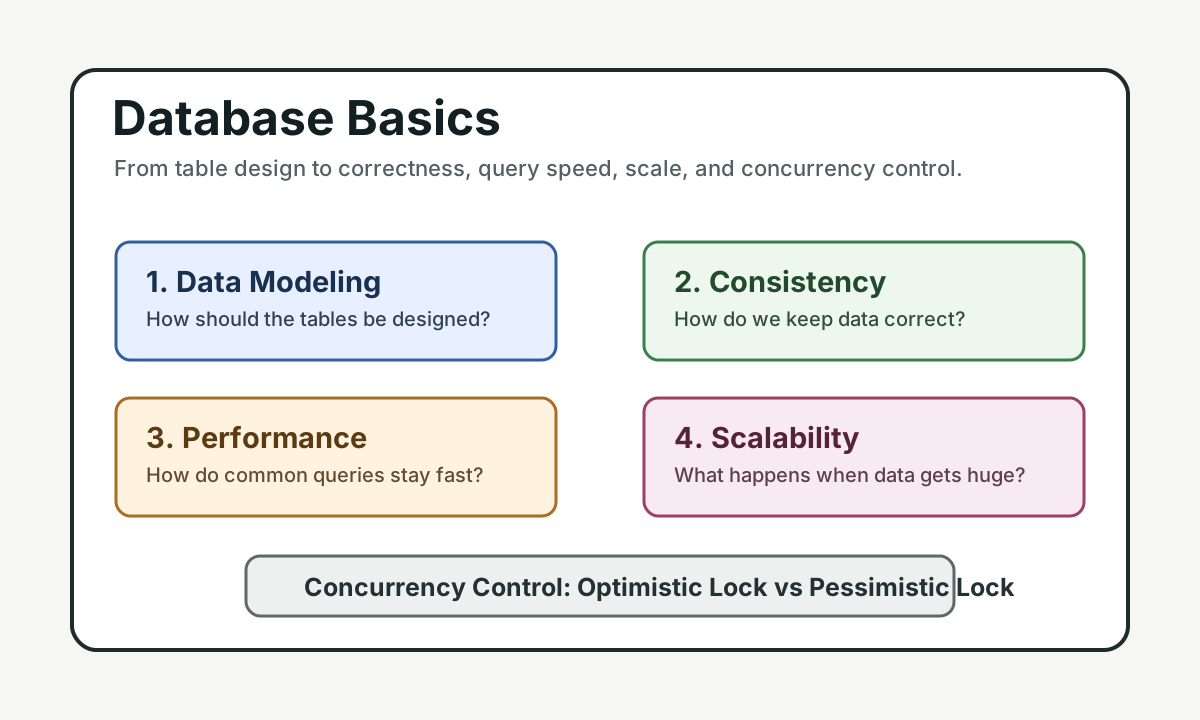
A short database concurrency note on when to use pessimistic locking, optimistic locking, and database constraints.
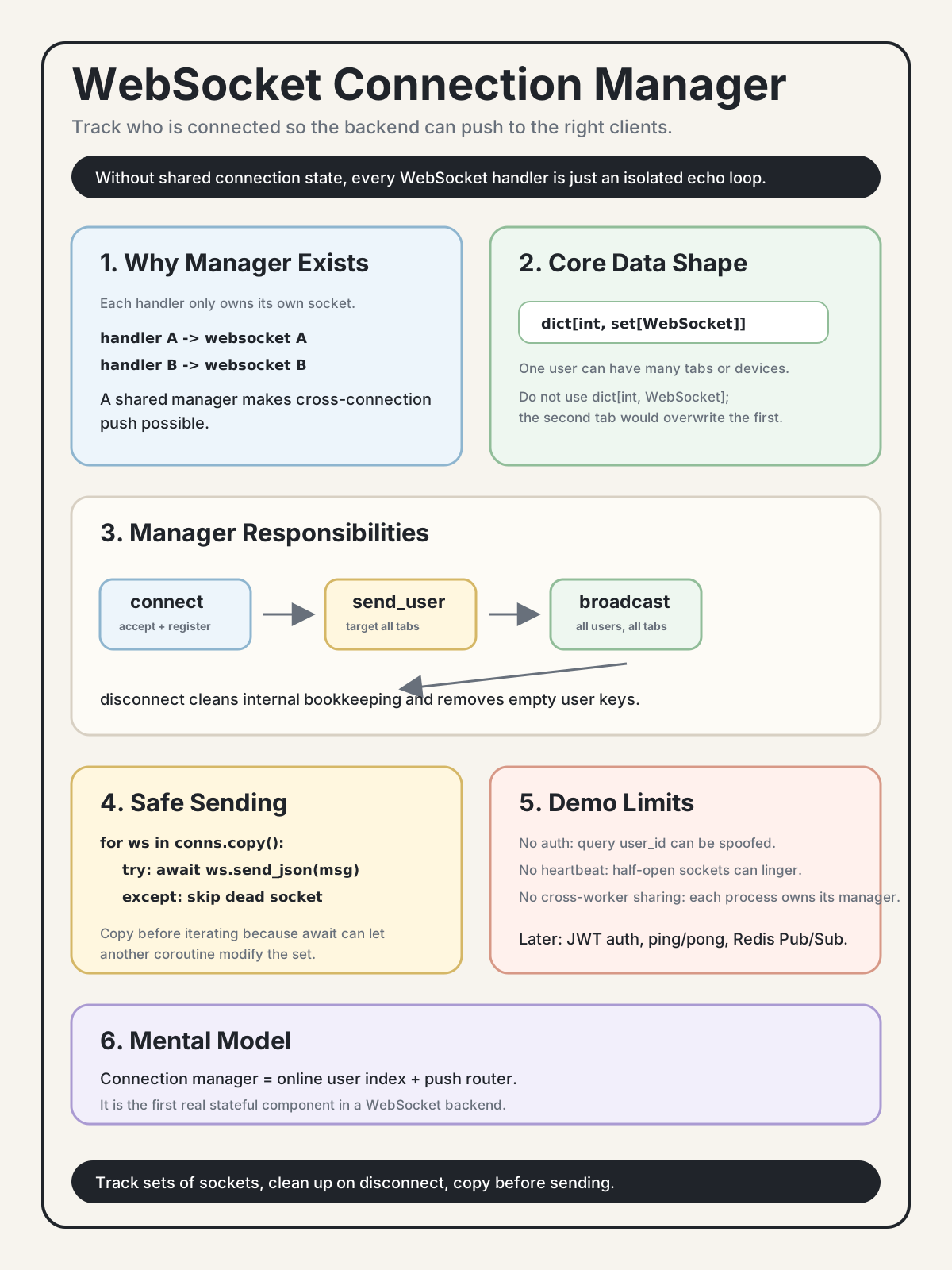
A WebSocket connection manager lets the backend remember who is connected, push to a specific user, broadcast to everyone, and clean up disconnected sockets.
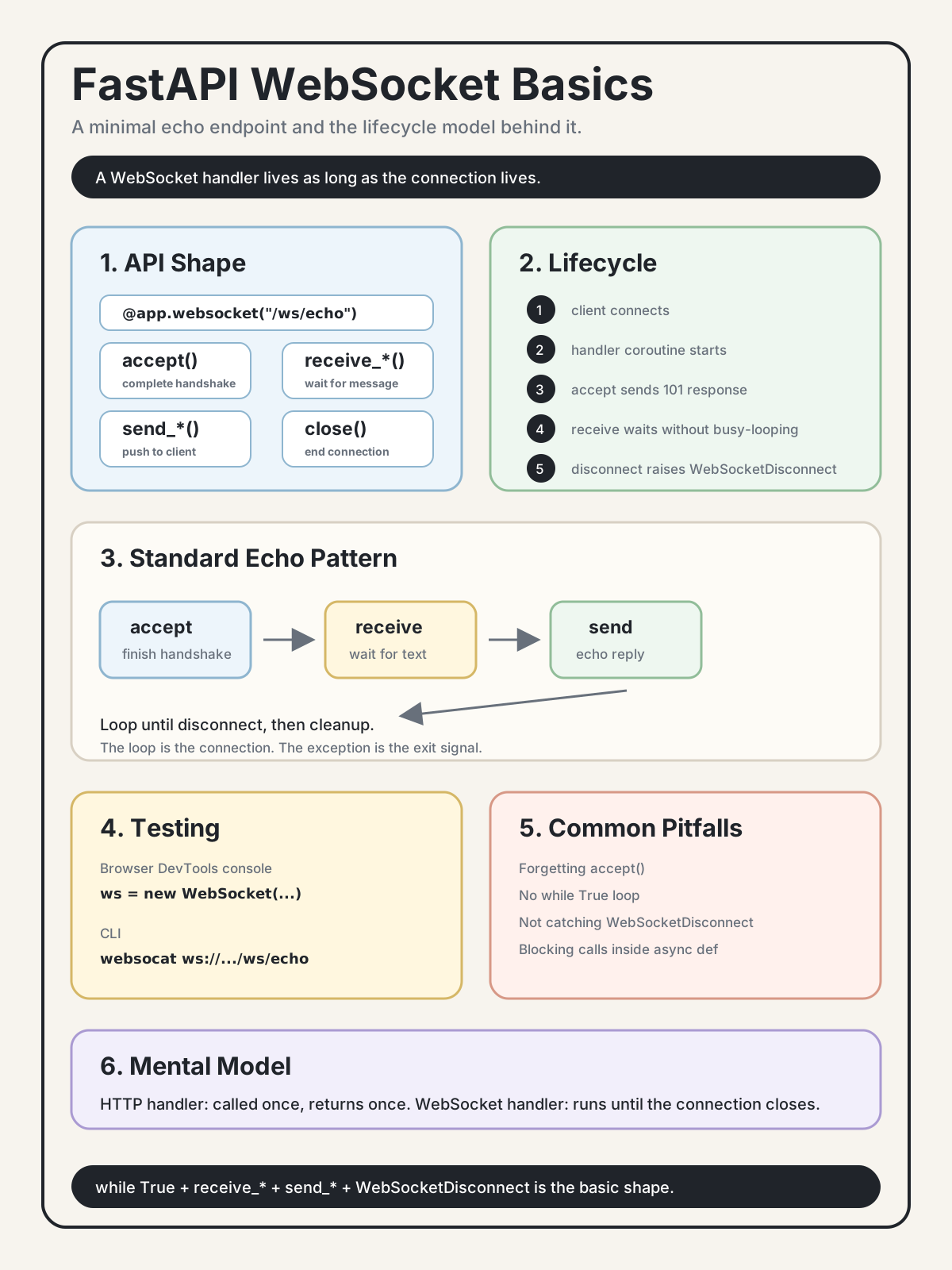
Understand why a FastAPI WebSocket handler lives as long as the connection lives, from accept to receive loop to disconnect cleanup.
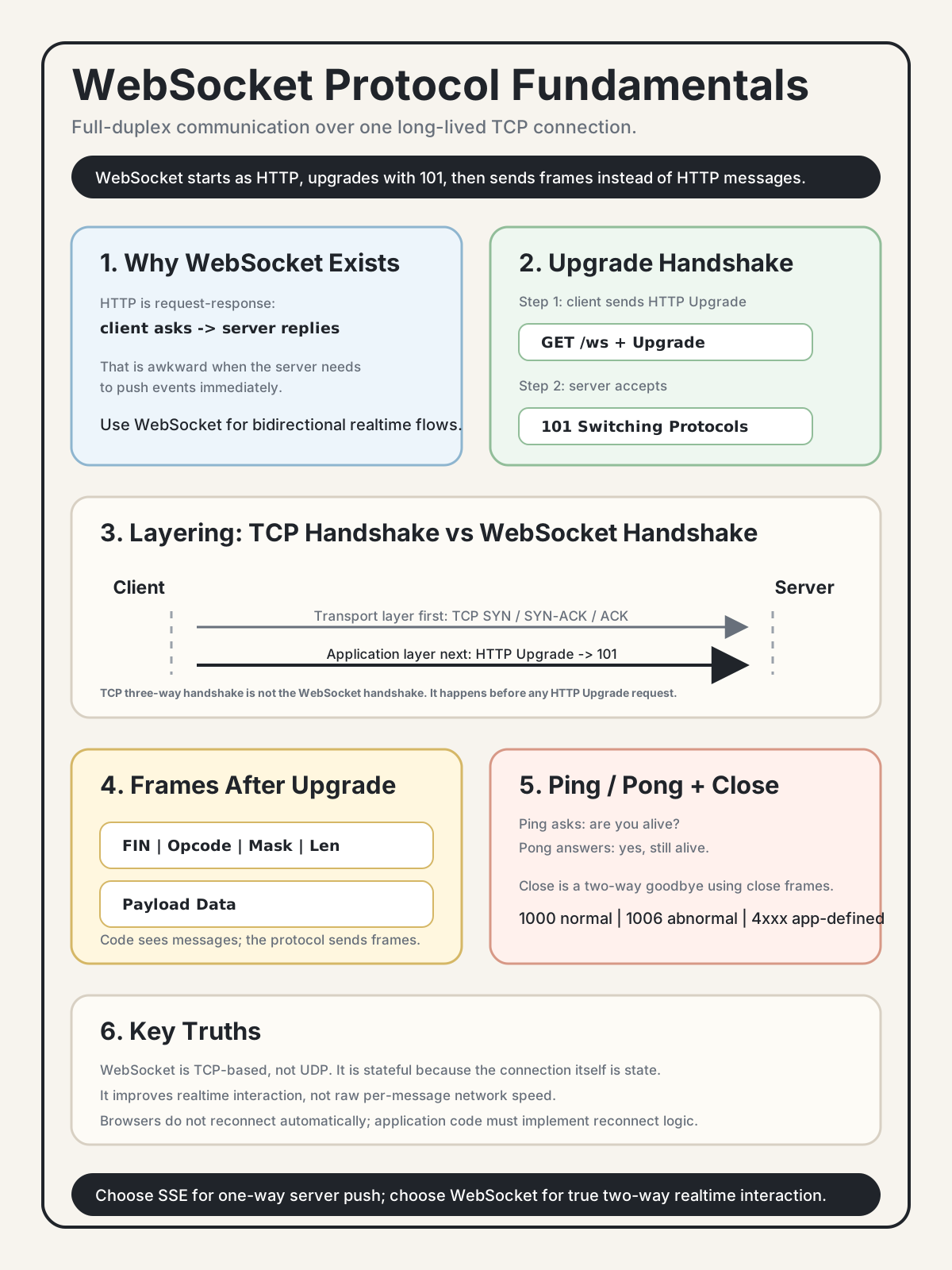
WebSocket starts as an HTTP Upgrade request, switches to a frame-based protocol, and keeps one TCP connection open for full-duplex realtime communication.
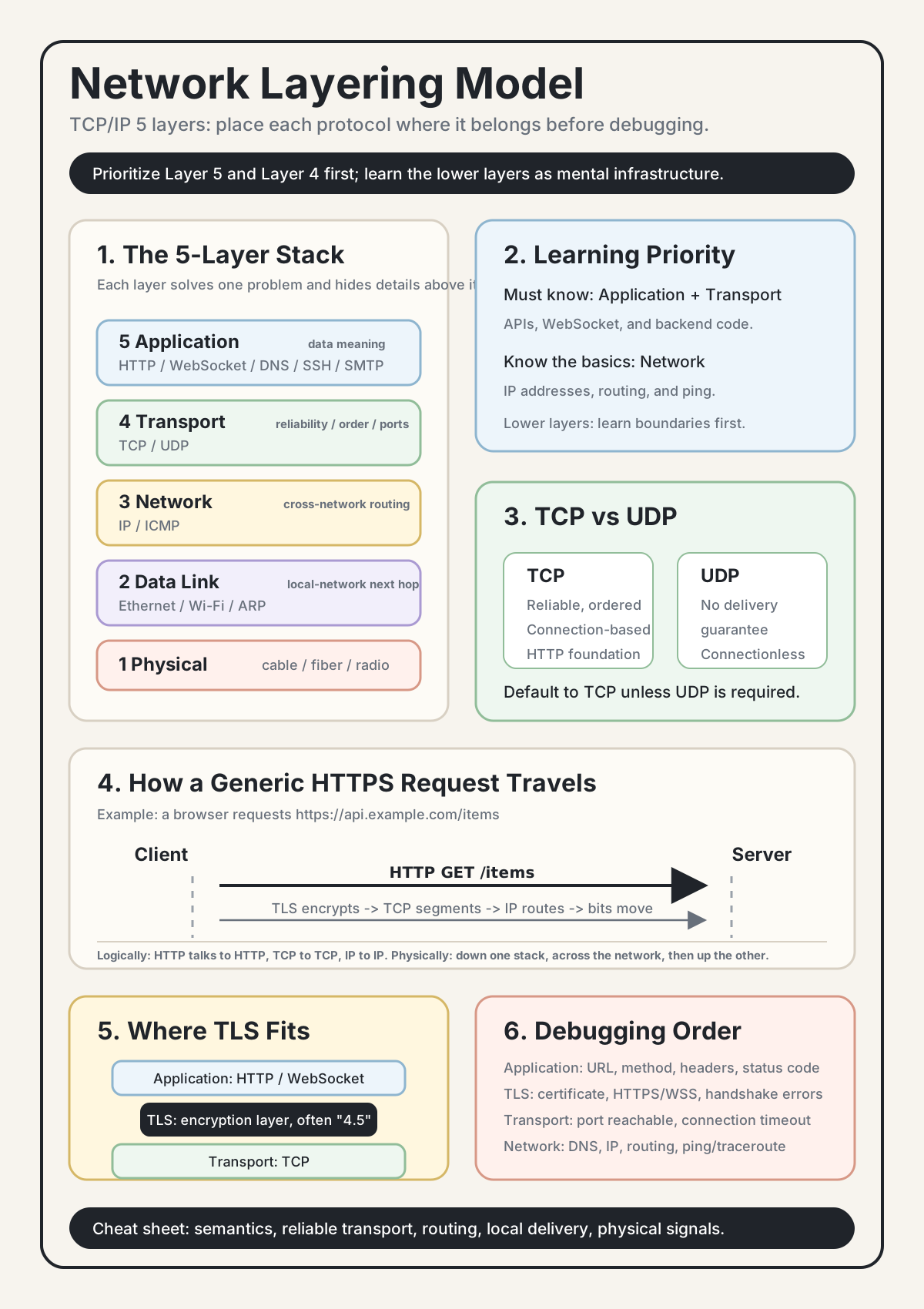
A compact poster explaining the TCP/IP five-layer model, where common protocols belong, how HTTPS travels through the stack, and how to debug network issues by layer.
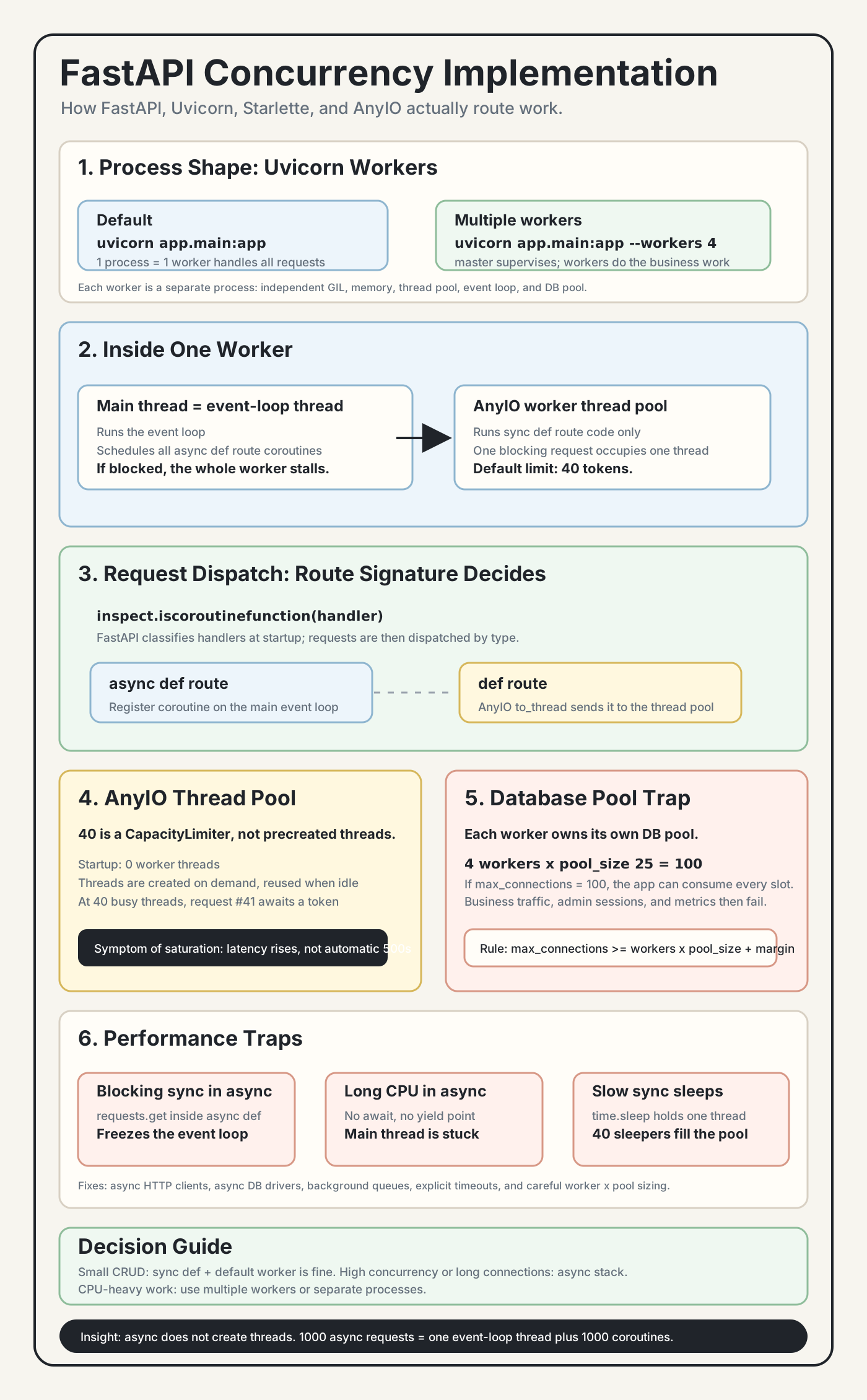
How FastAPI actually runs sync and async routes: Uvicorn worker processes, one event-loop thread, AnyIO's thread pool, database pool sizing, and deployment traps.
A Python backend concurrency cheat sheet: processes, threads, coroutines, sync versus async, the GIL, and how to choose between threads, async, and processes.
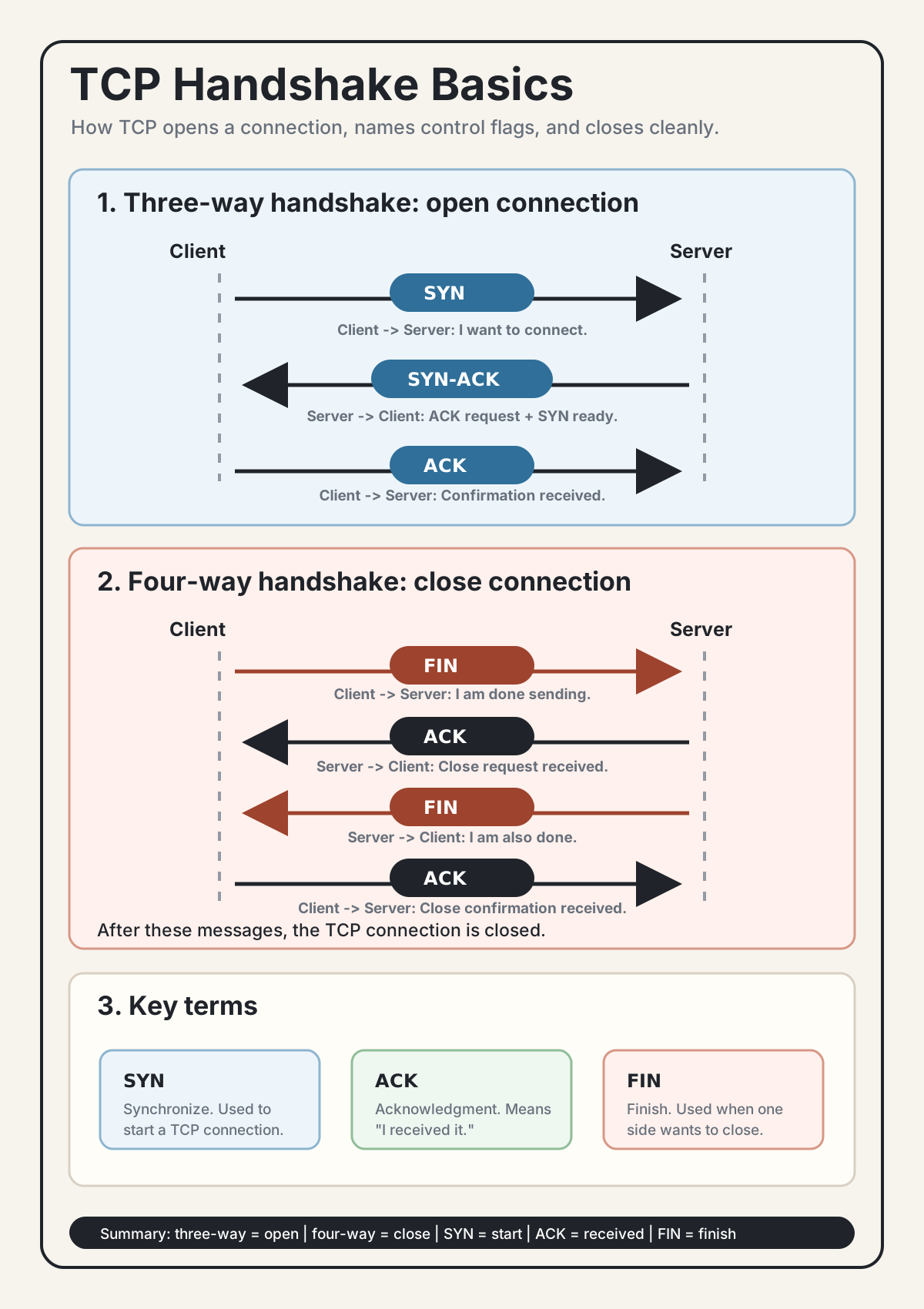
A compact note on how TCP opens with SYN, SYN-ACK, ACK and closes with FIN, ACK, FIN, ACK.
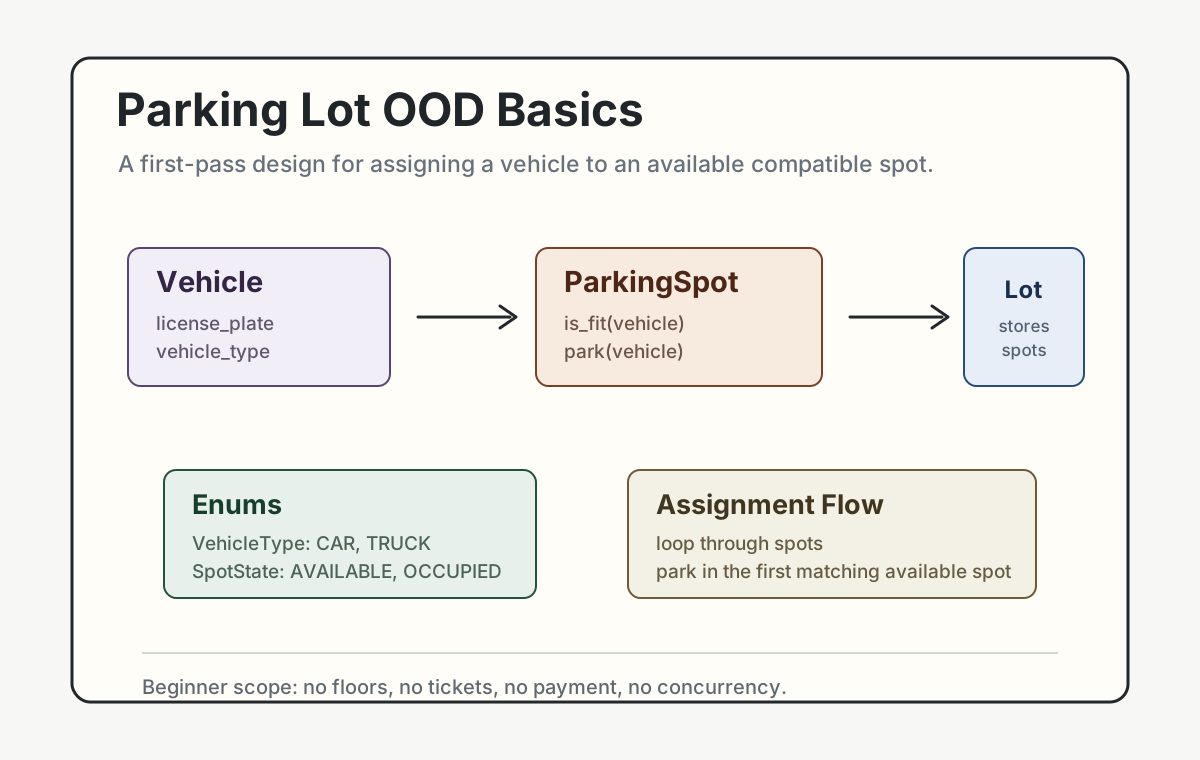
An entry-level object-oriented design note for a parking lot system, focused on vehicles, spots, and simple spot assignment.
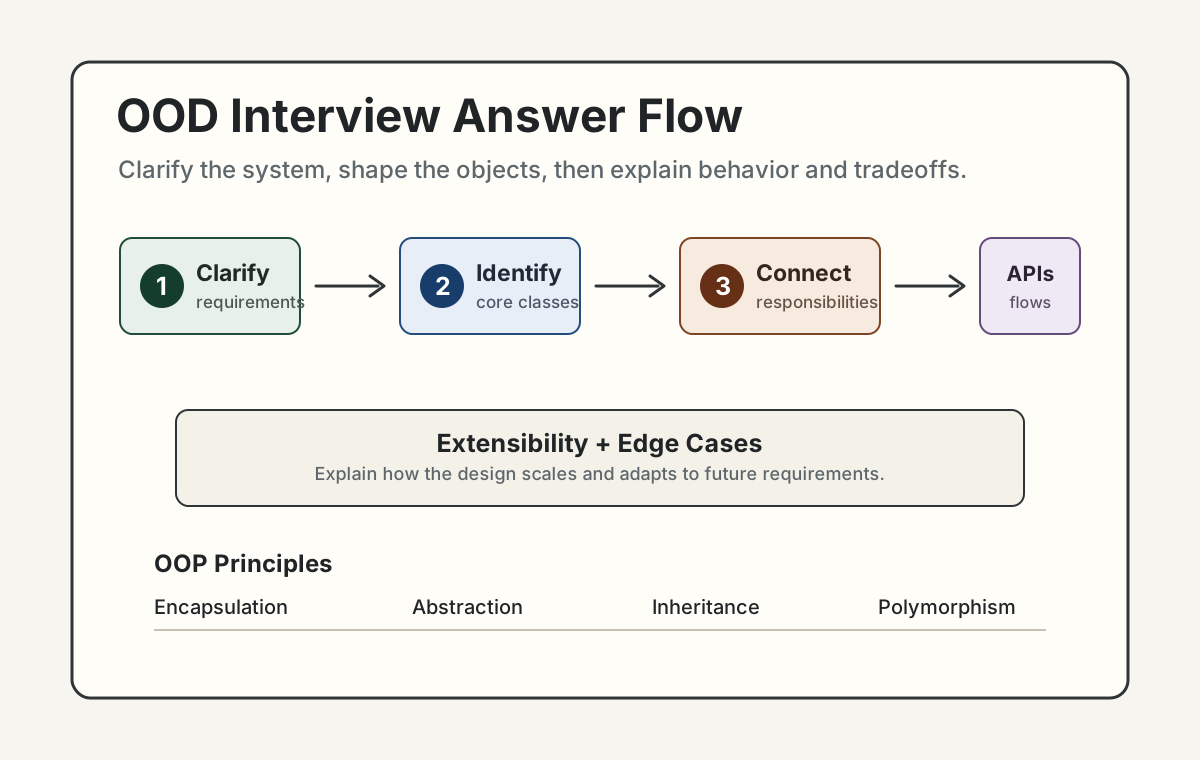
A compact interview reference for structuring object-oriented design answers and explaining the four core OOP principles.
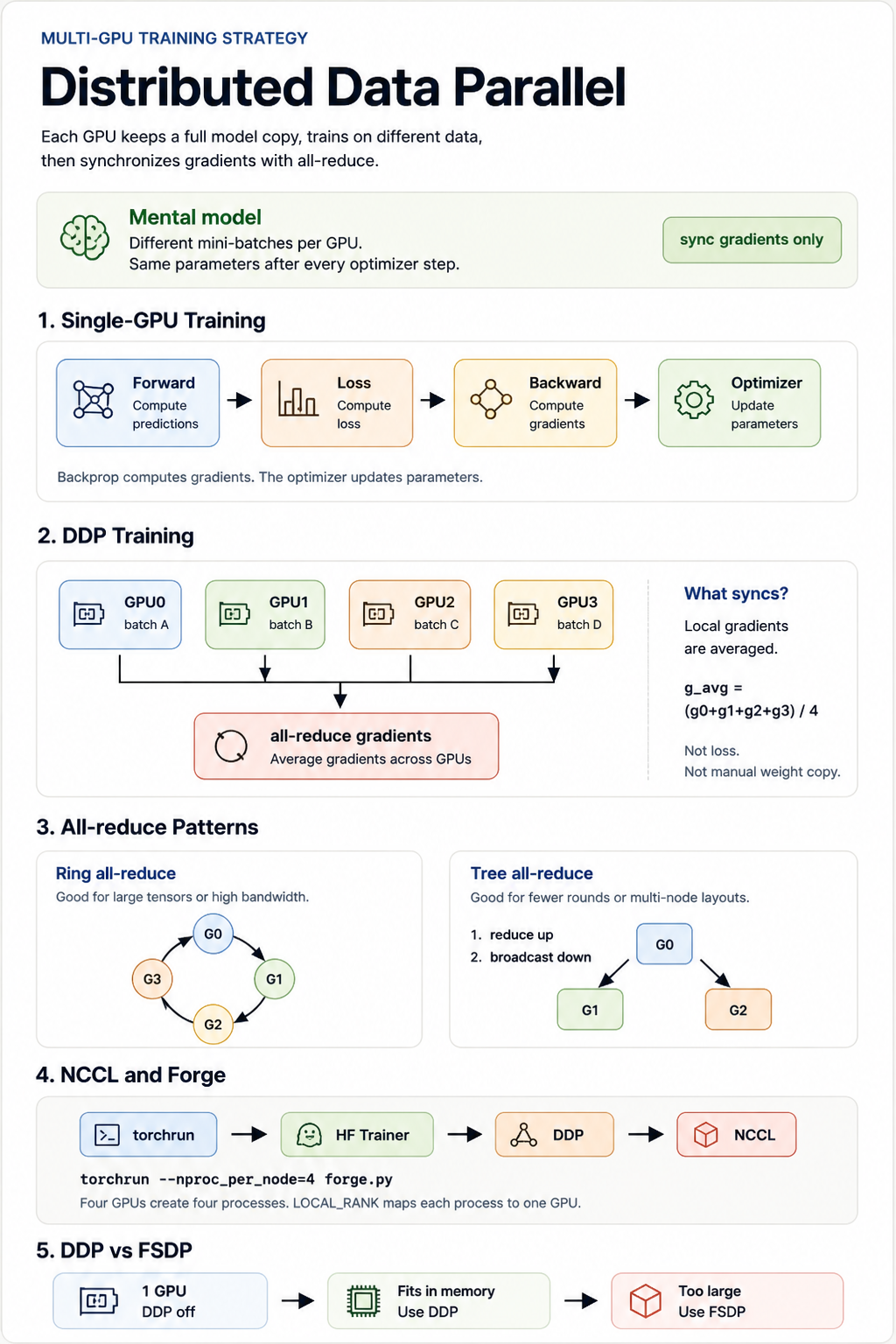
A compact visual guide to DDP: full model copies, per-GPU batches, gradient all-reduce, NCCL, and when Forge should use DDP versus FSDP.
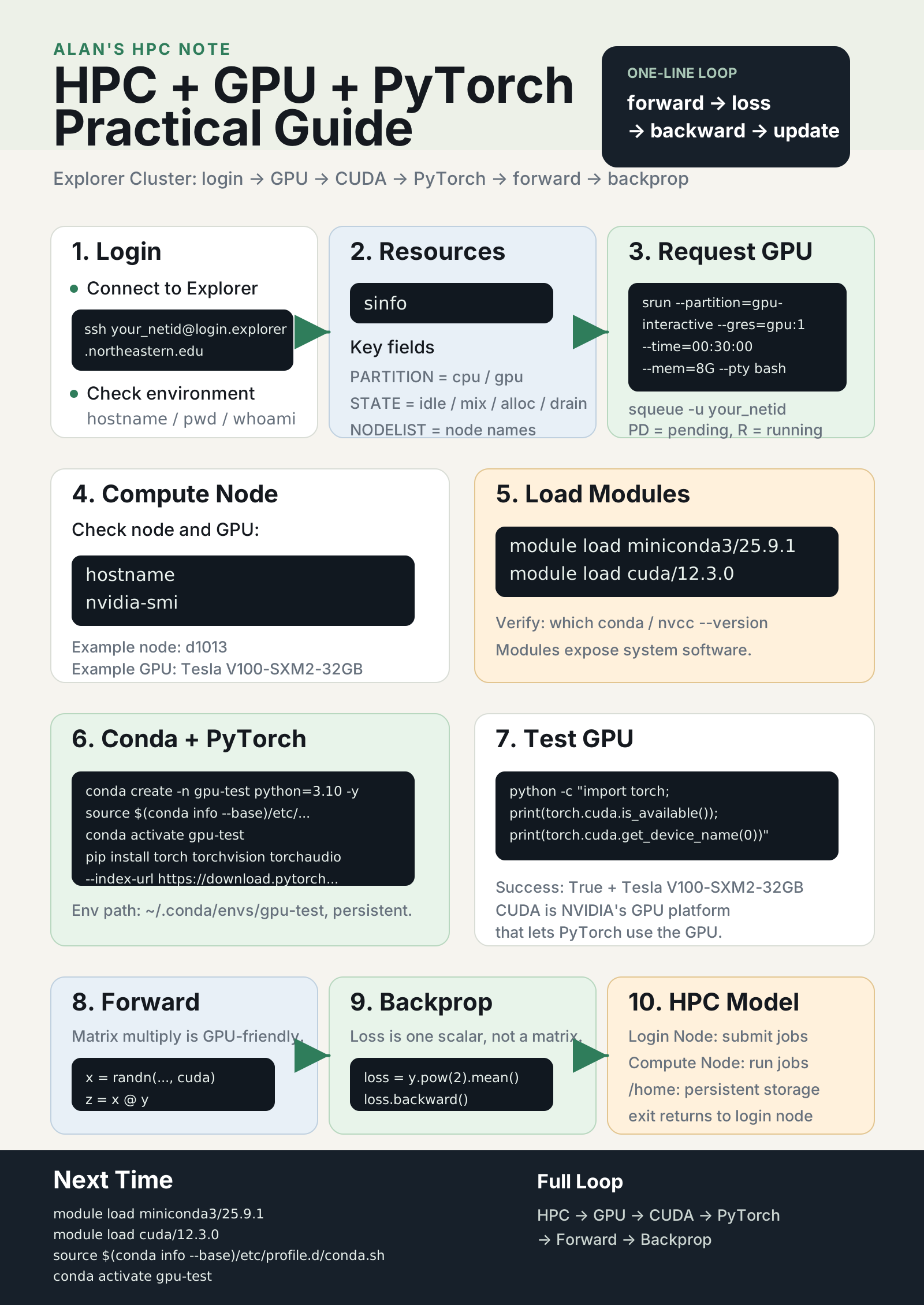
A practical note for the full HPC to GPU to CUDA to PyTorch to backpropagation workflow on Northeastern Explorer.
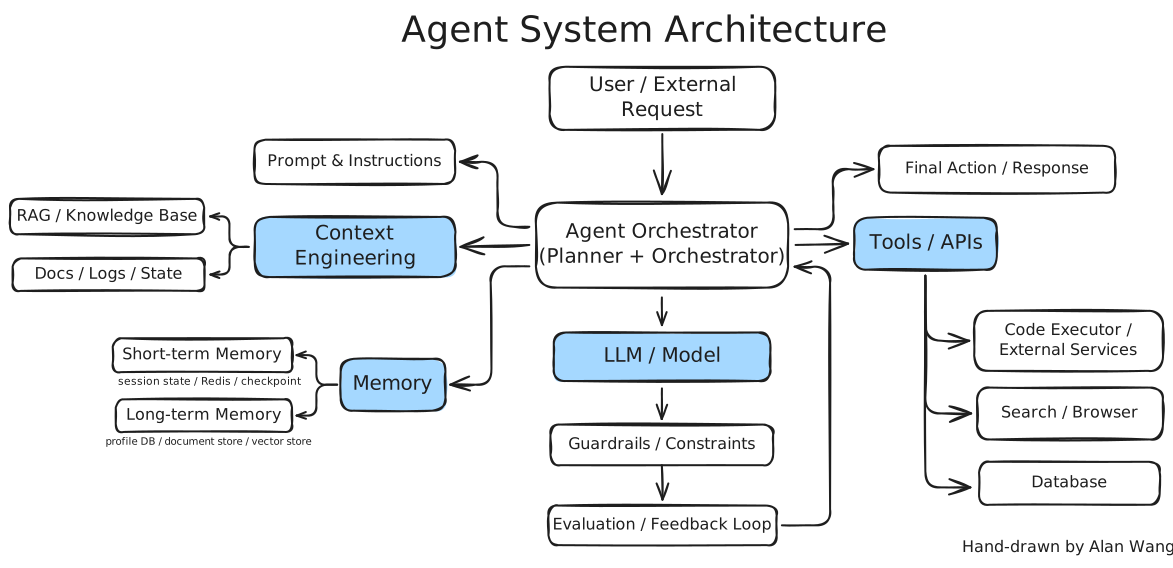
A simple overview of agent system architecture, the orchestrator and its four core components, LLM, tools, memory, and context engineering.
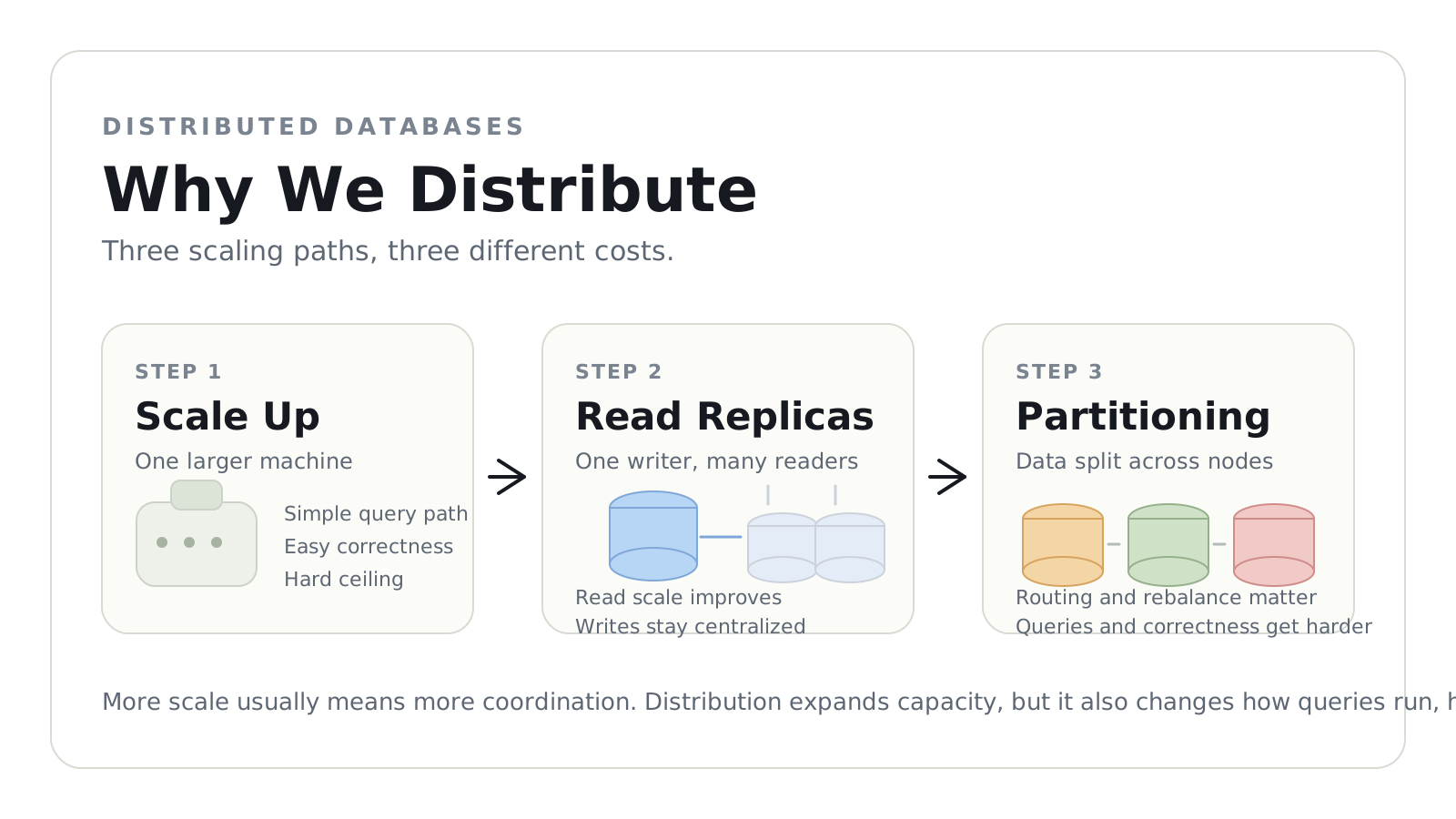
A systems note on why databases get distributed, how scaling paths differ, and why partitioning, joins, and consistency become harder once data leaves a single machine.
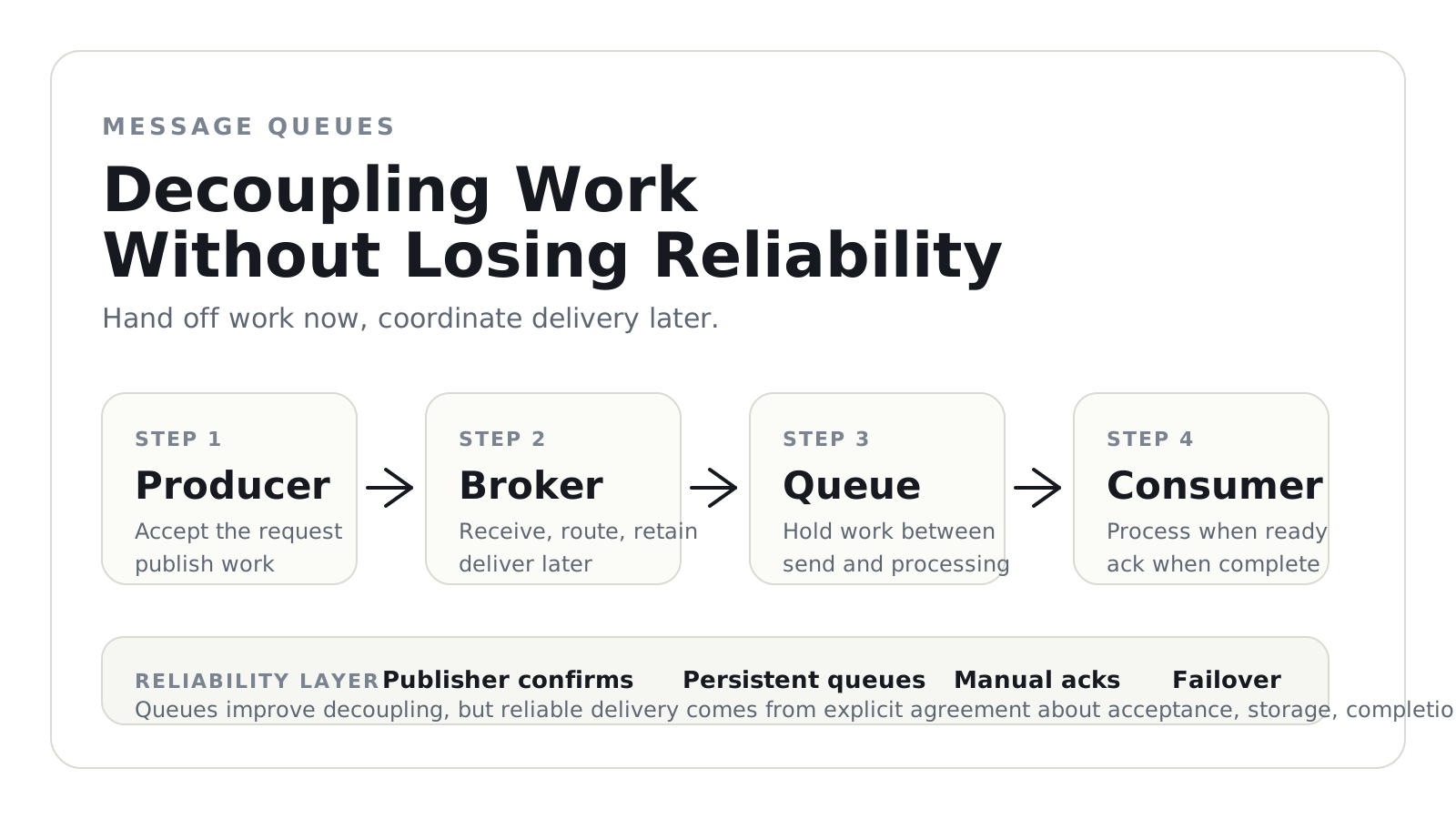
A systems note on why asynchronous messaging exists, how queues decouple producers and consumers, and why acknowledgments, persistence, and failover matter.
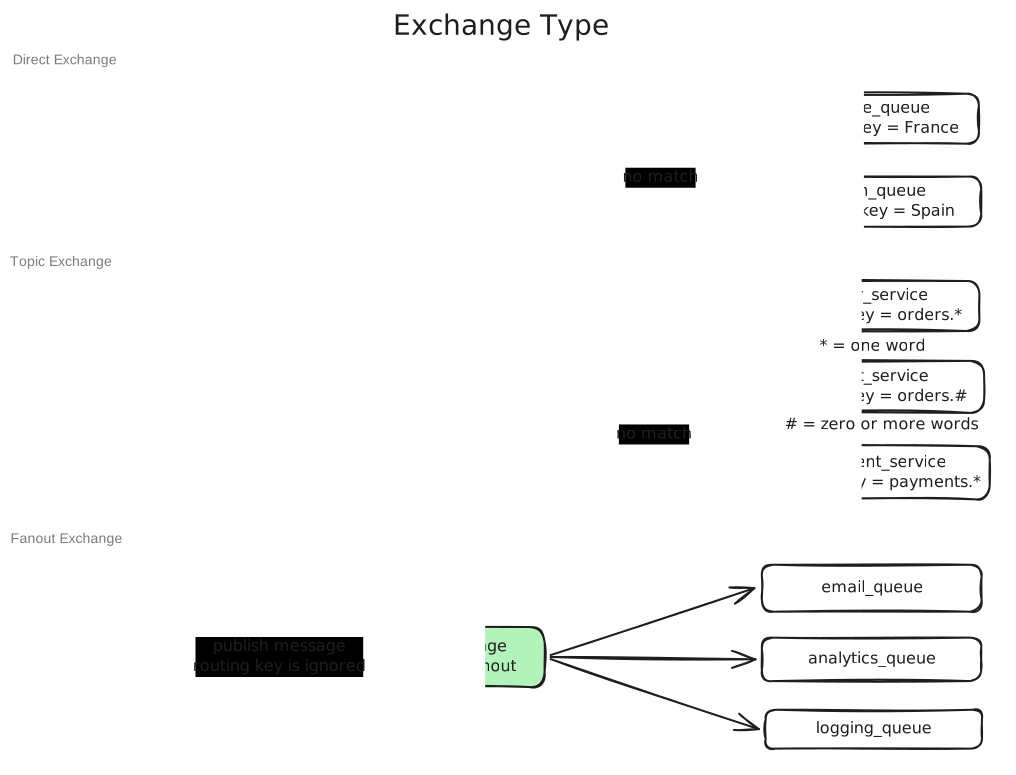
A practical RabbitMQ note in Python focused on the routing model: what an exchange does, what a routing key carries, and how bindings decide which queues receive a message.
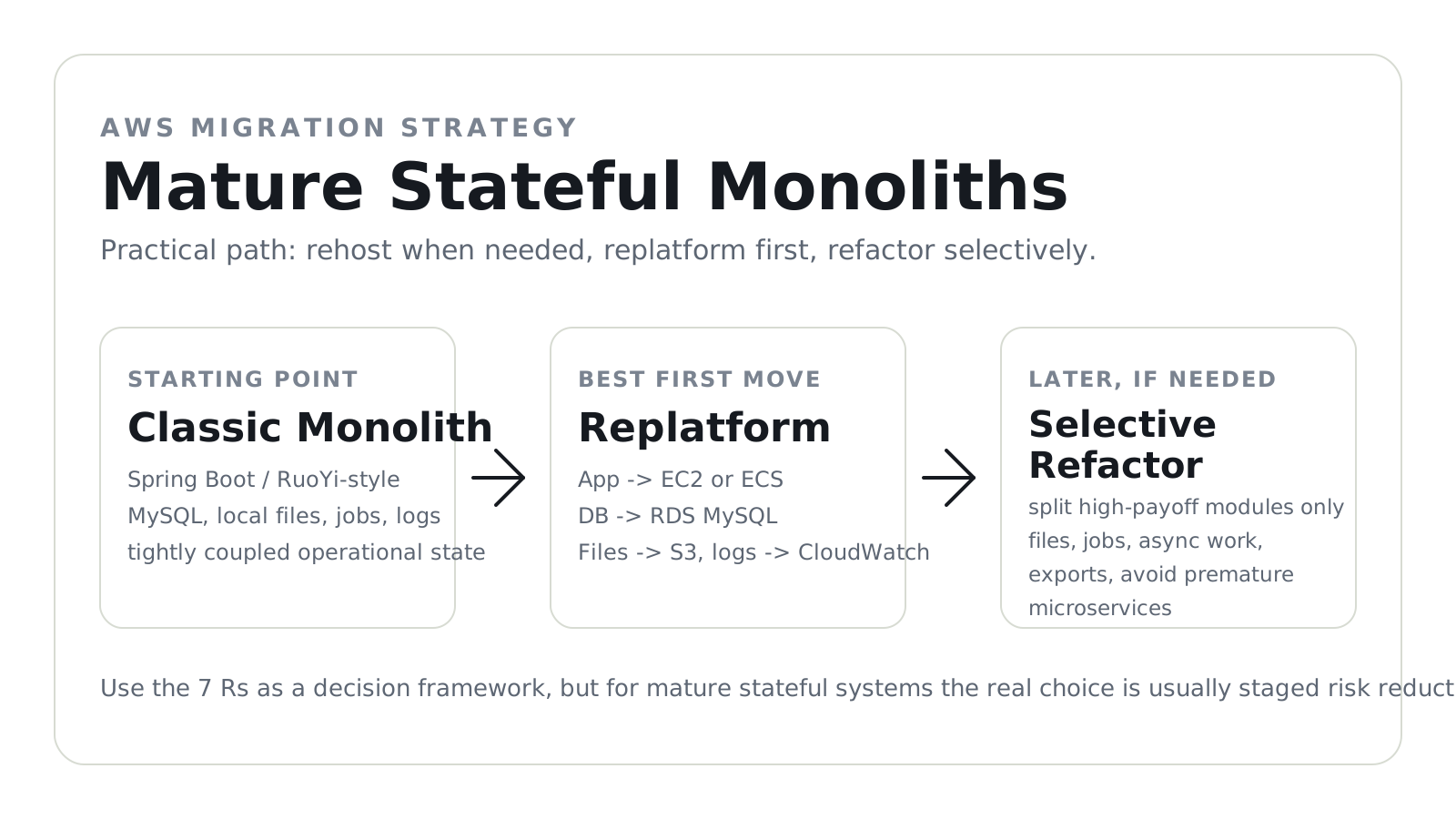
A practical migration note for mature stateful monoliths, using a classic RuoYi-style Spring Boot system as the concrete example.
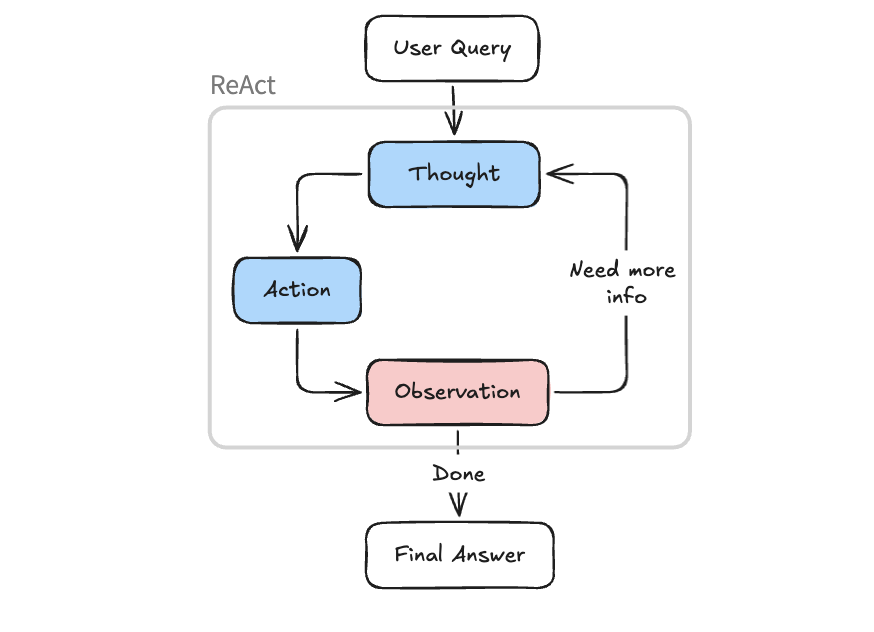
A small ReAct agent project that makes the reasoning-action-observation loop visible instead of hiding tool use behind built-in function calling.
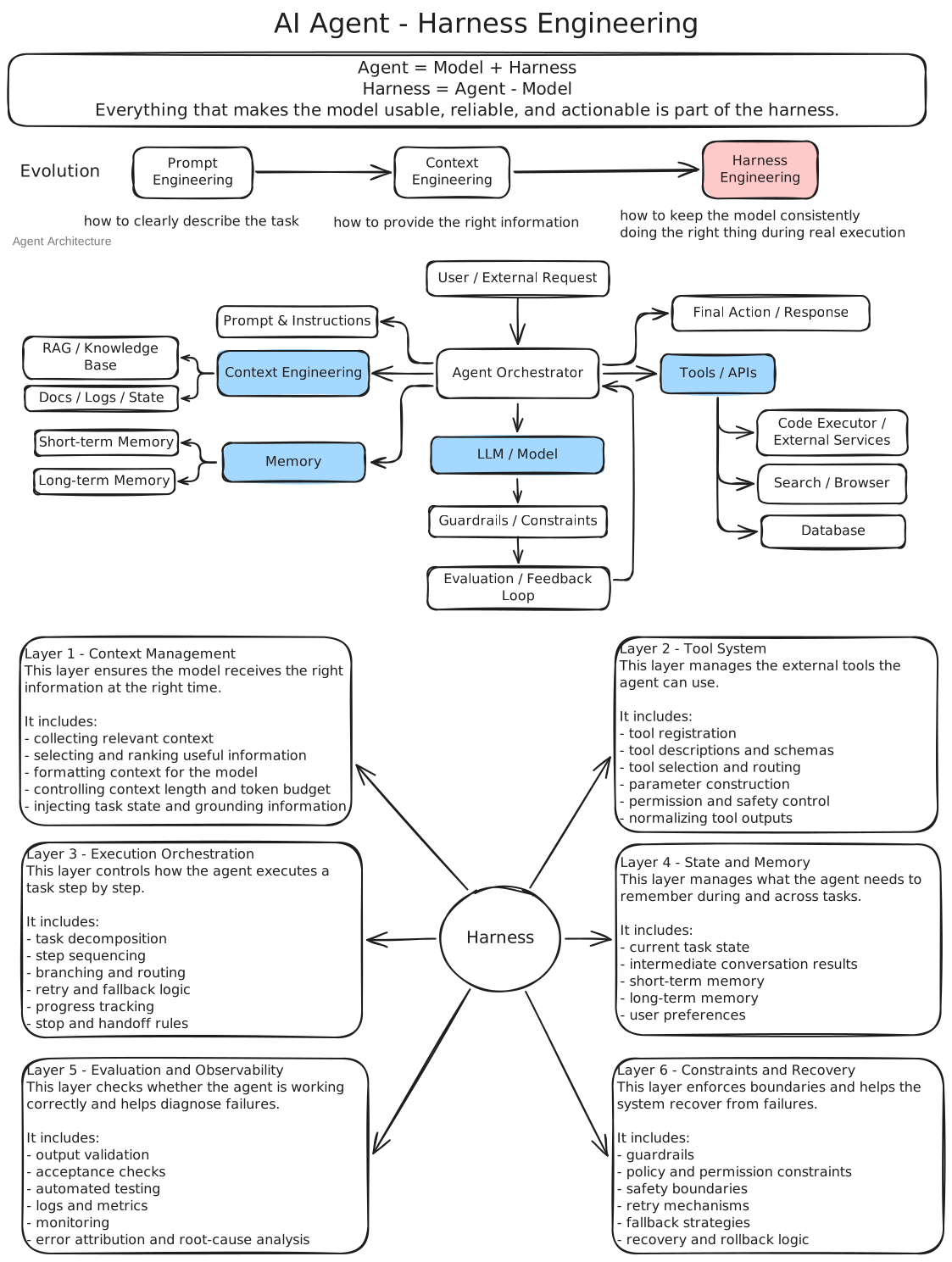
A sketch of how agent systems split responsibilities between the model and the harness around it.
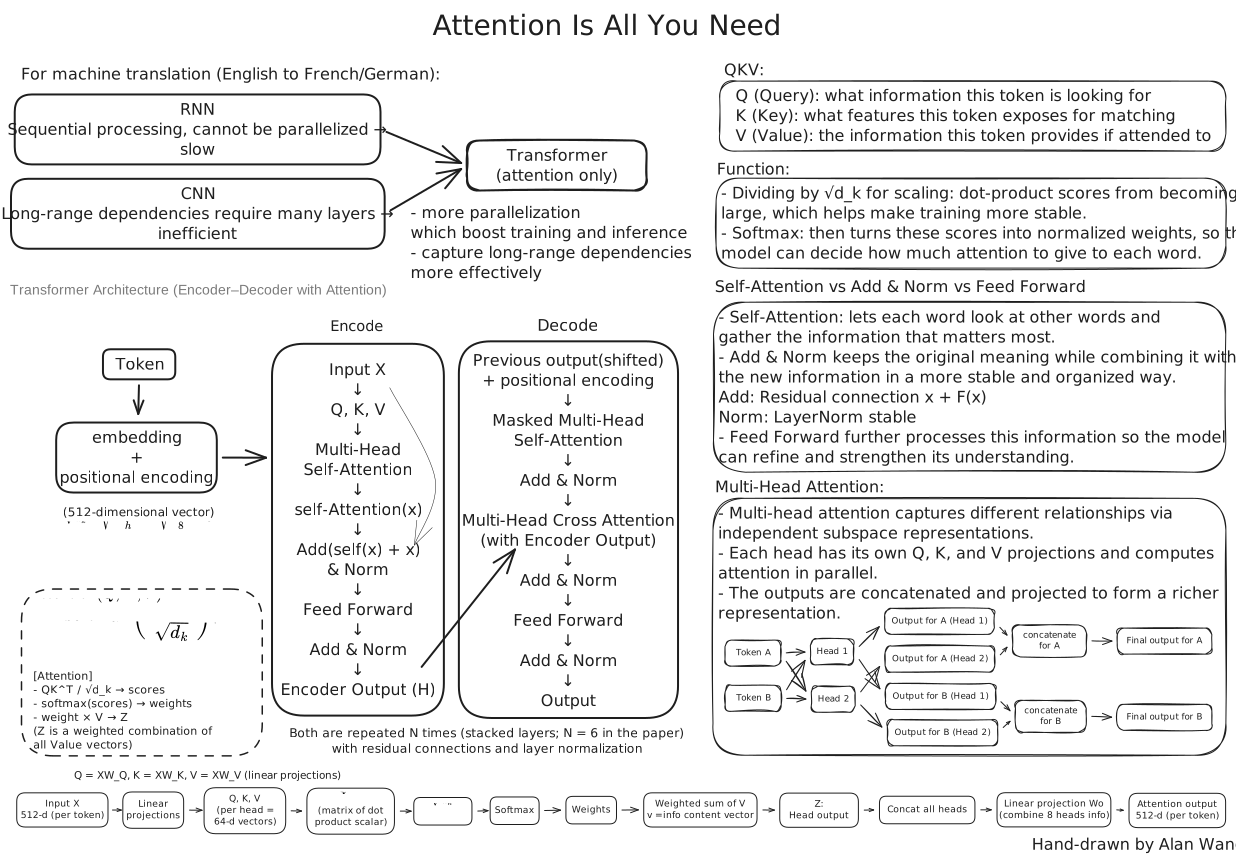
A sketch of the Transformer paper, with the main architecture pieces and a few key questions to keep in mind while reading it.
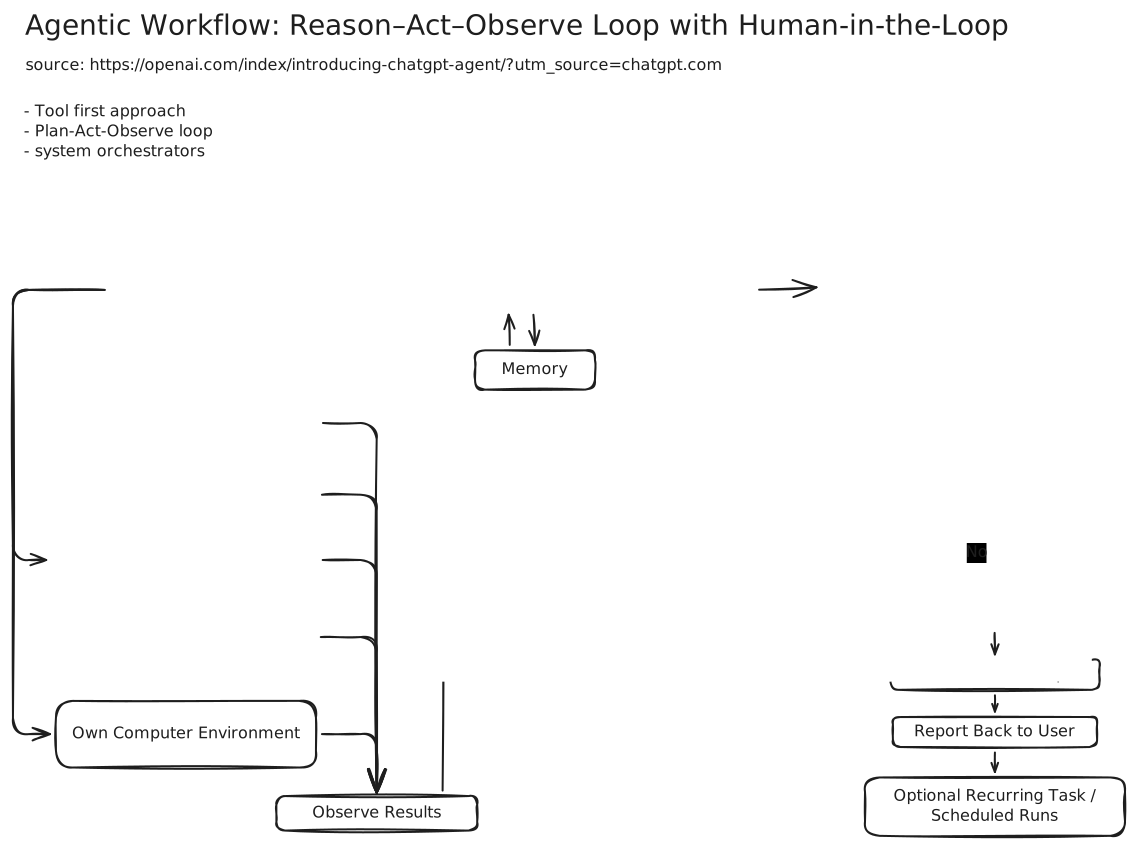
A compact sketch of a tool-first agentic workflow, showing how reasoning, tool use, observation, memory, and human review fit together in one loop.
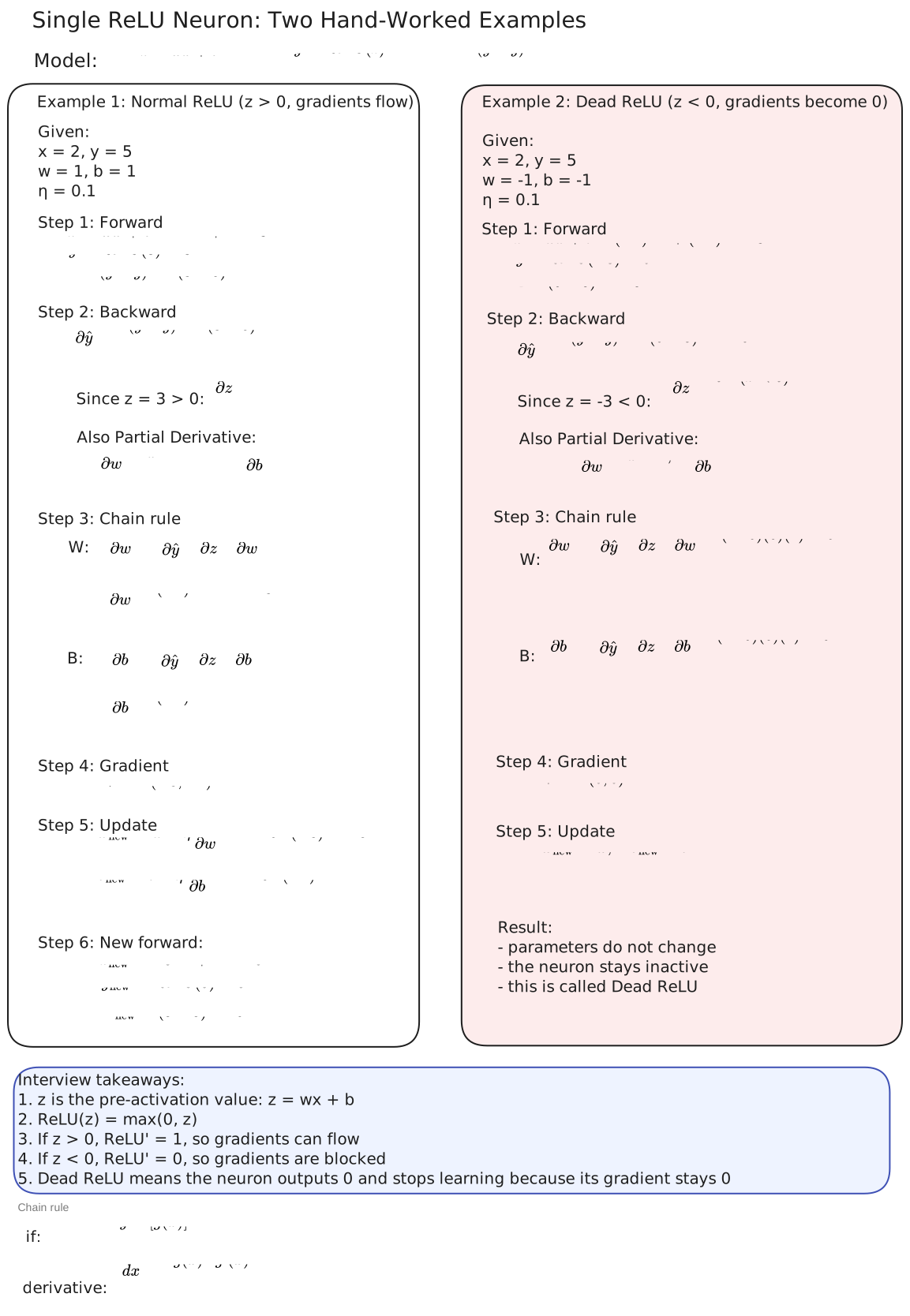
A compact sketch of ReLU activations, neural network structure, and backpropagation flow.
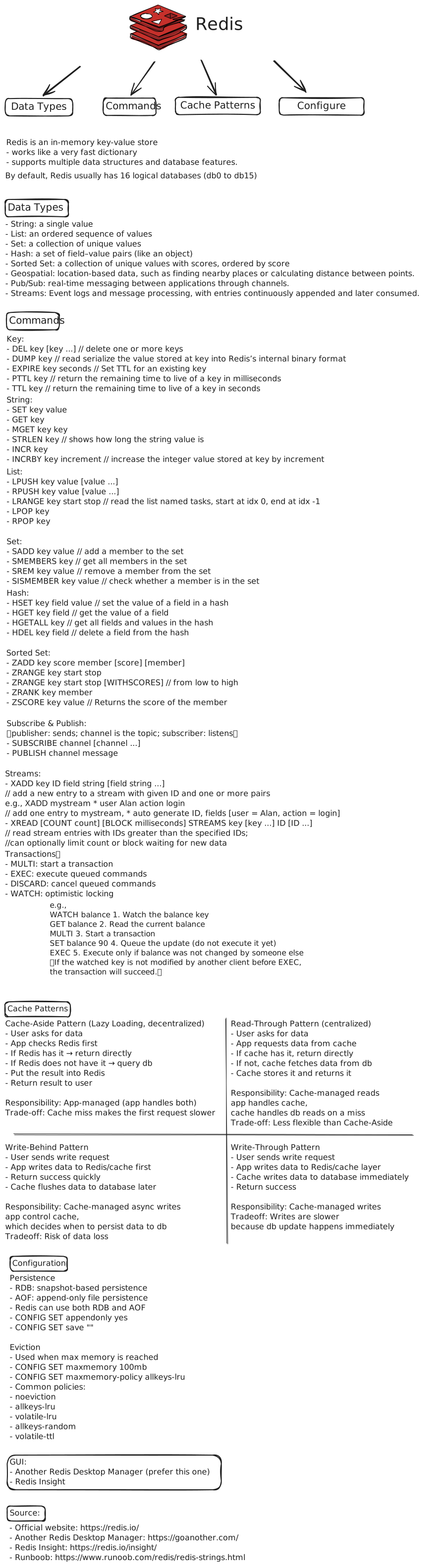
A compact Redis sketch covering data types, commands, cache patterns, and configuration notes.
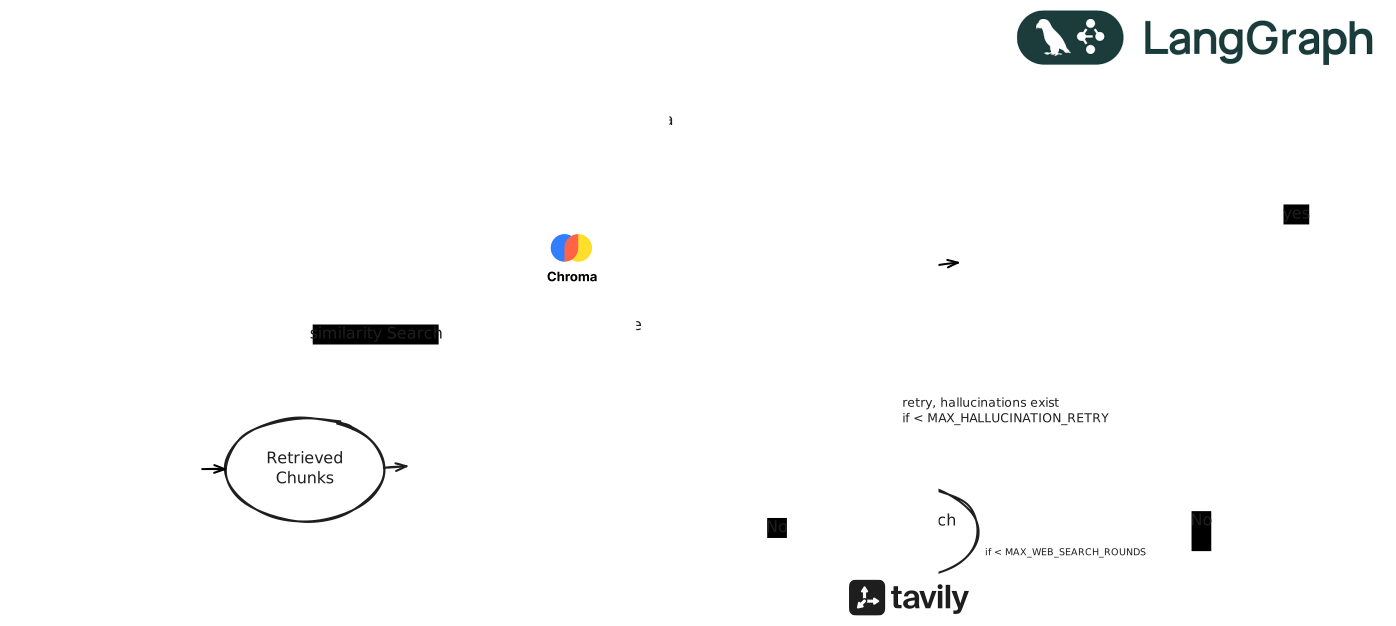
A two-stage RAG project that moves from a local baseline to an agentic workflow with grading, routing, retries, and web fallback.
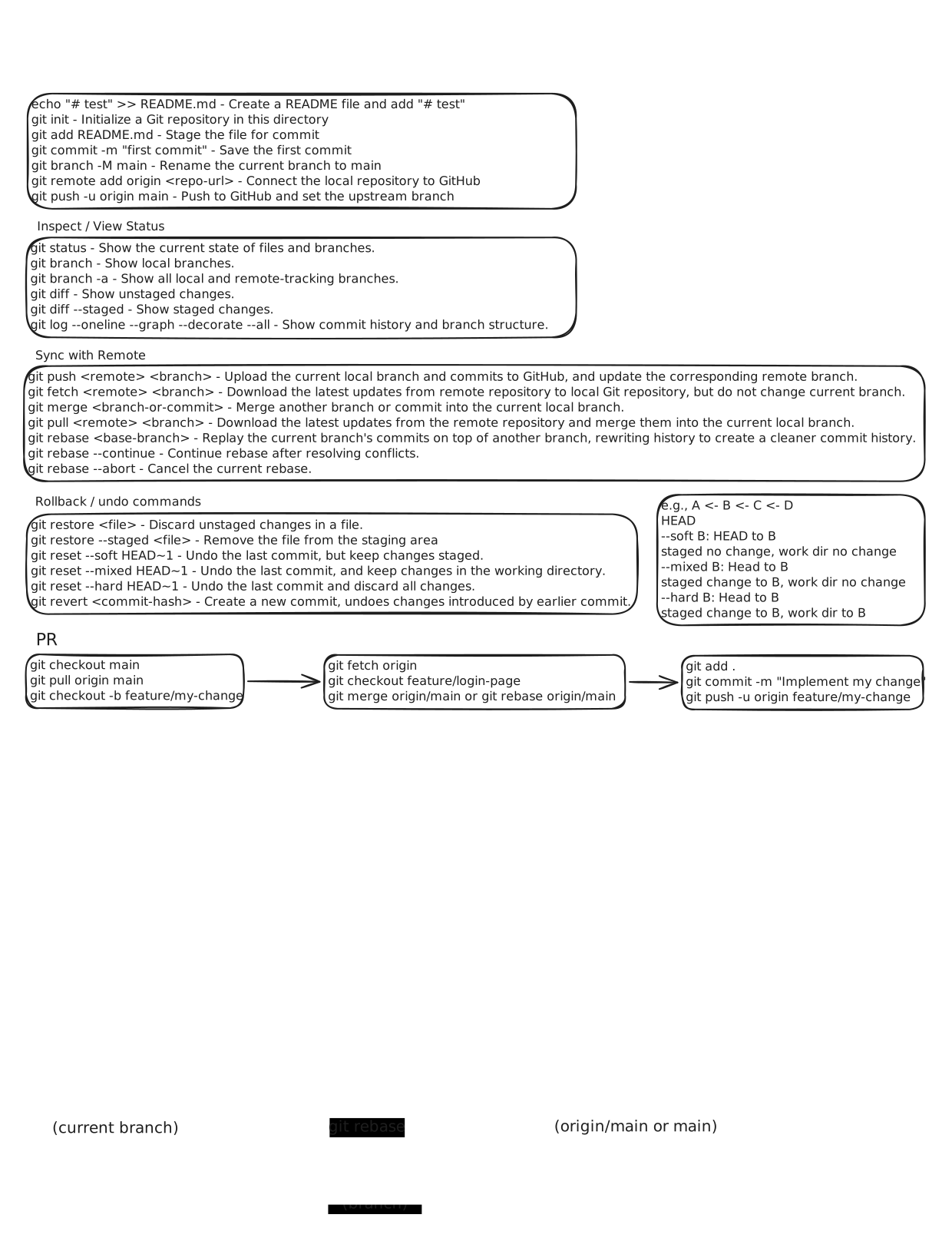
A quick Git command cheatsheet covering repository setup, branching, status checks, commits, sync, and rollback basics.
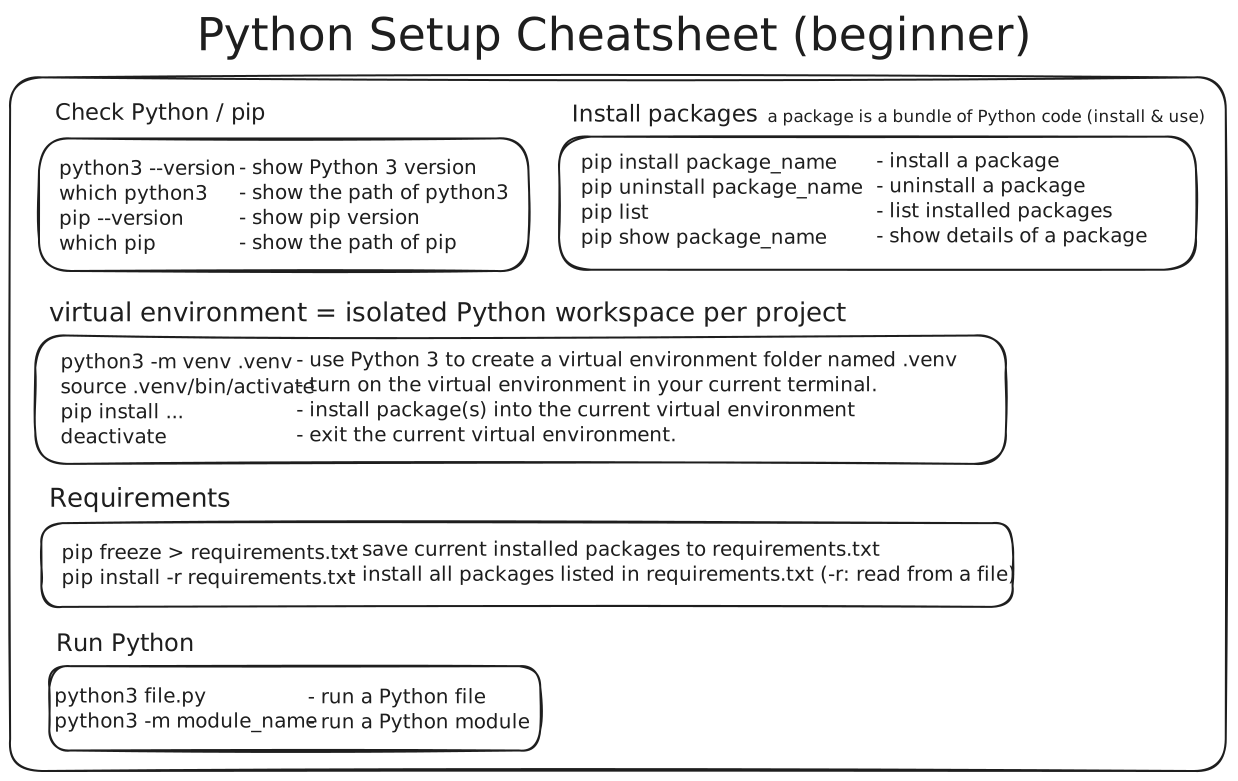
A quick command cheatsheet for checking Python, managing virtual environments, handling packages, and running files or modules.
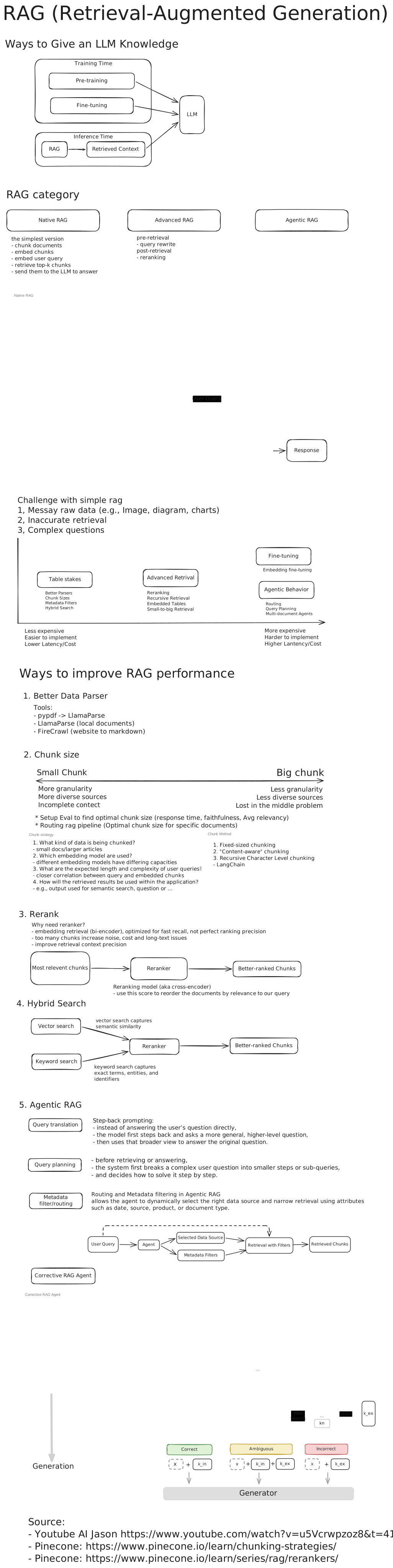
A visual overview of retrieval, ranking, and generation flow in a RAG pipeline.
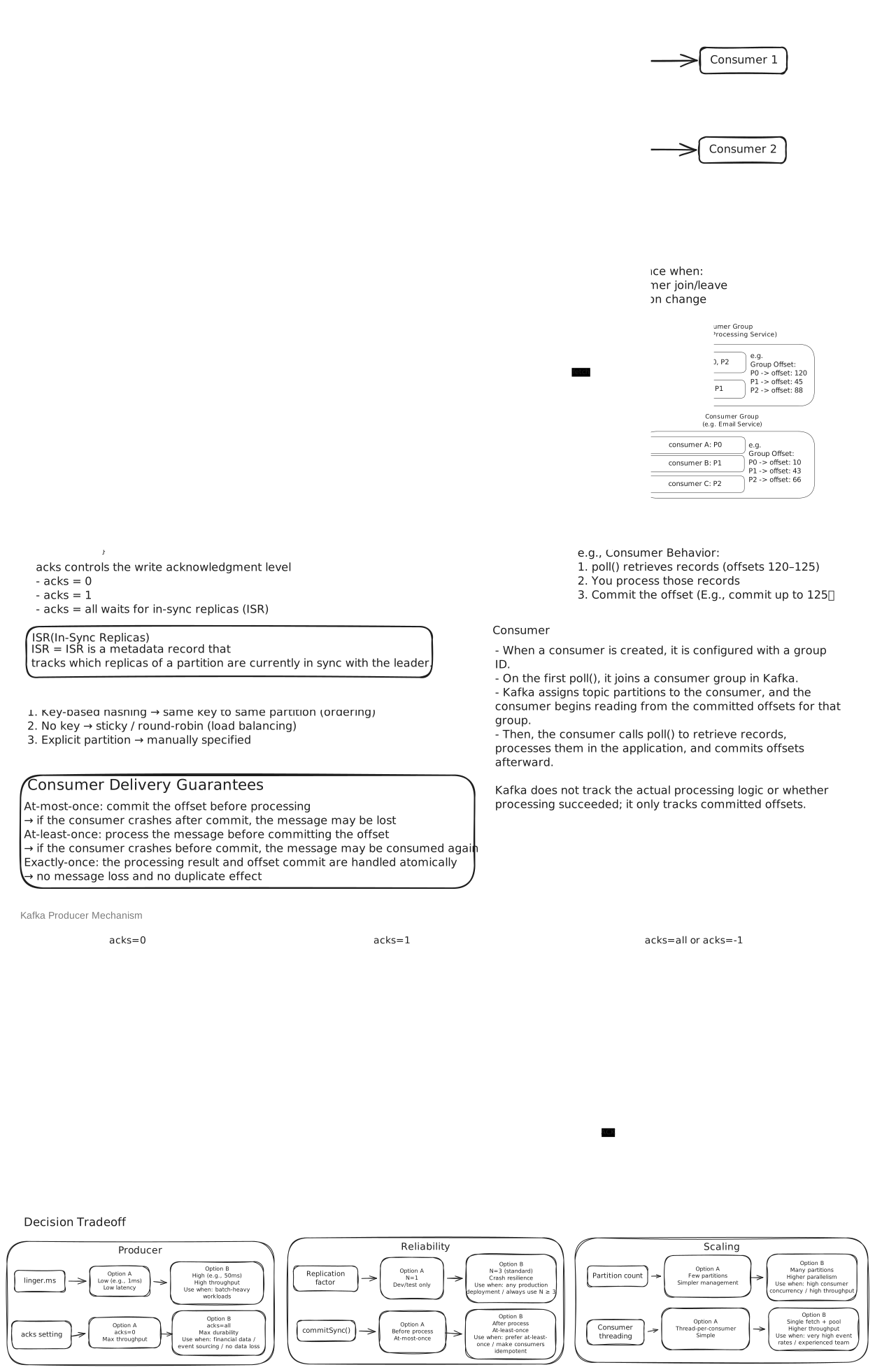
A quick structural sketch of brokers, partitions, consumer groups, and replication.
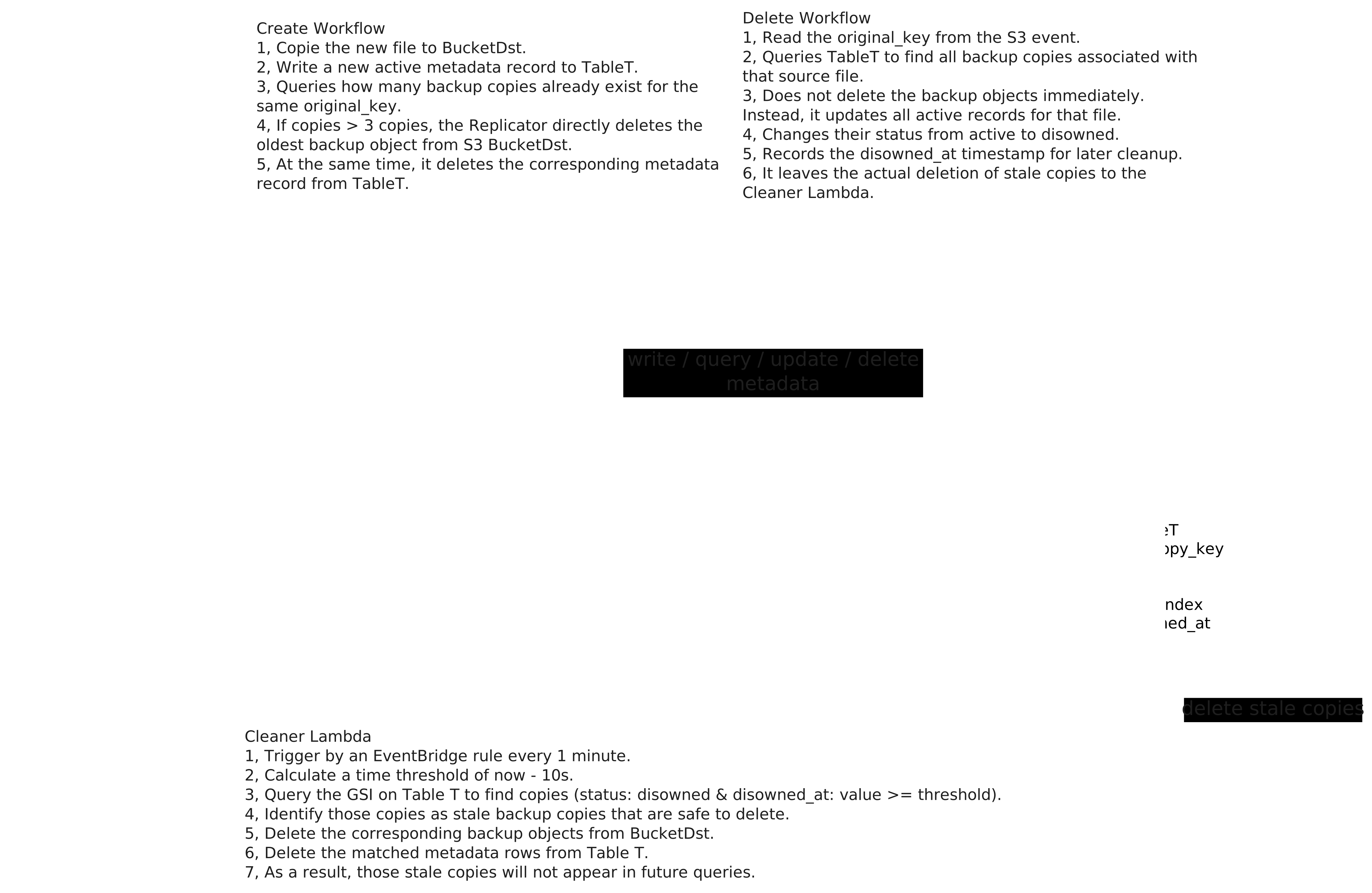
An event-driven AWS backup system that creates timestamped S3 copies, tracks lifecycle metadata in DynamoDB, and removes stale backups through a scheduled cleanup path.
A serverless workflow that tracks S3 bucket size over time, triggers cleanup when thresholds are reached, and generates a final plot from workflow history.